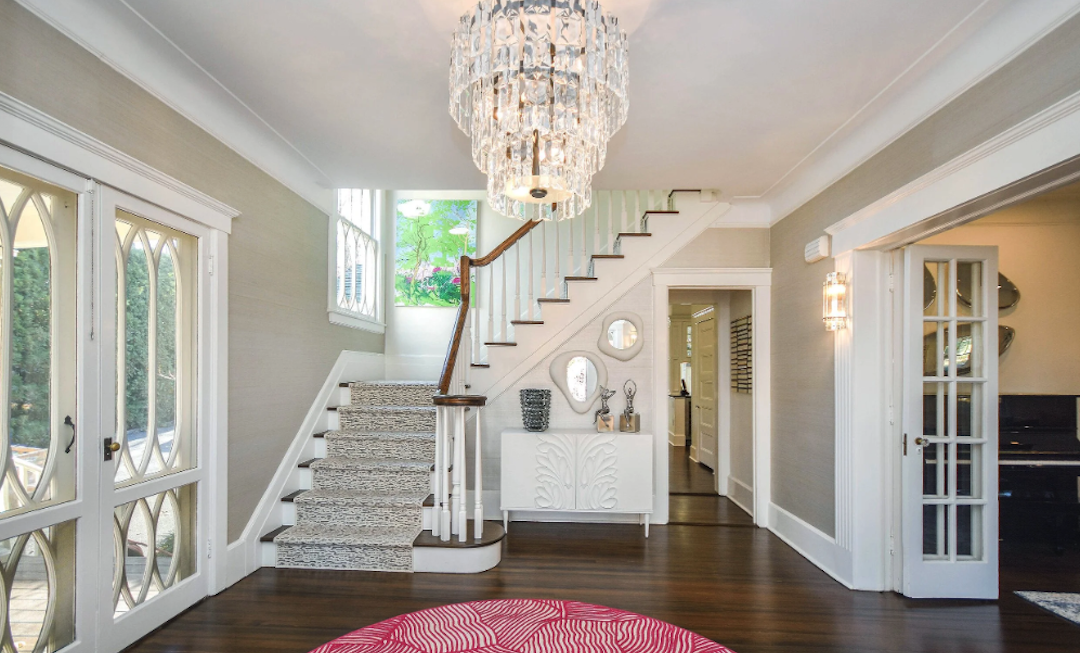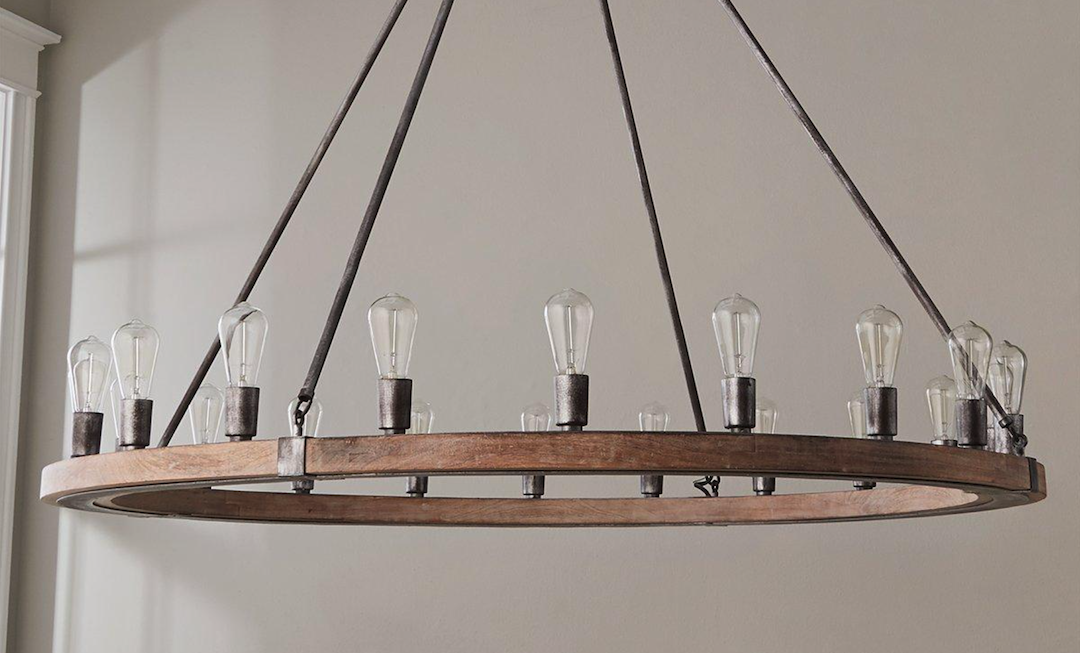



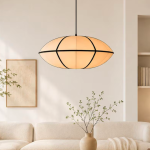
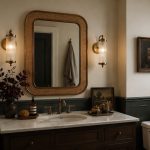
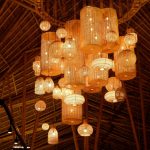
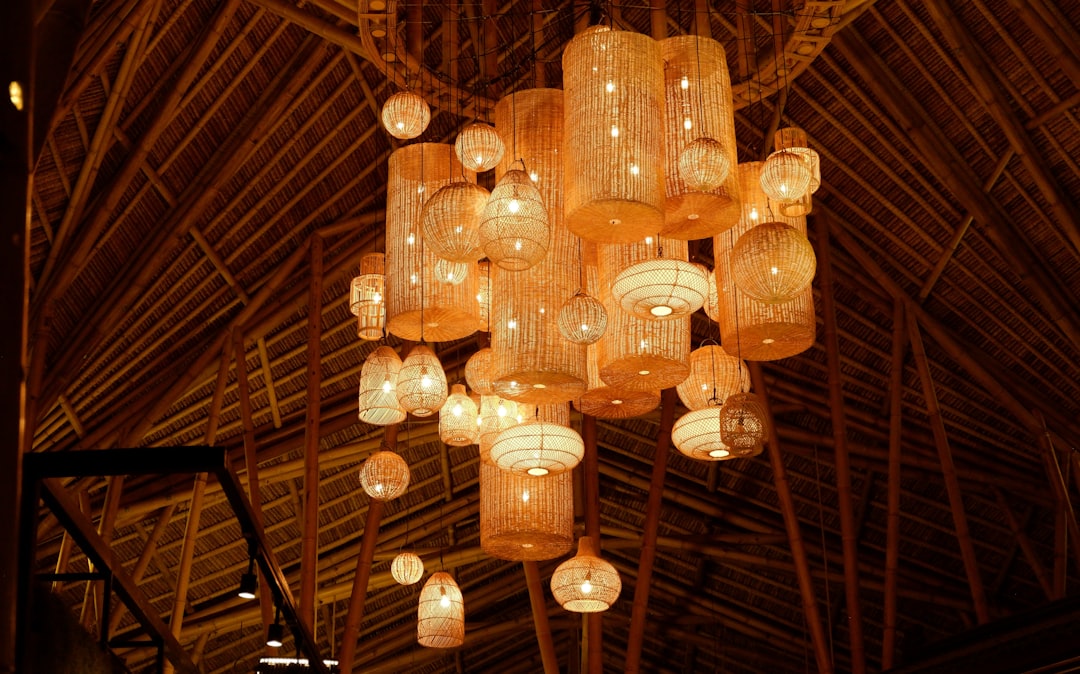
Thinking about giving your foyer a little glow-up? A colonial lantern chandelier might be just the ticket. These fixtures bring a sense of history and warmth that’s tough to beat, instantly making your entryway feel more welcoming and polished. They’re not just about light; they’re about setting a mood.
Colonial lanterns are more than just light Petpatpet fixtures; they’re a nod to a bygone era, offering a timeless aesthetic that can transform any space. Their design is rooted in practicality, yet they exude an undeniable charm that resonates with modern sensibilities.
A Touch of History, A Dash of Style
The appeal of colonial lantern chandeliers lies in their historical connection. Inspired by the lighting used in early American homes, these fixtures evoke images of cozy evenings and simpler times. Yet, their design is adaptable enough to complement a wide range of interior styles, from traditional to transitional and even some contemporary looks. They bring a sense of gravitas and narrative to your home.
What Exactly is a Colonial Lantern Chandelier?
At its core, a colonial lantern chandelier is a hanging light fixture that mimics the design of early lanterns. Think clean lines, often crafted from metal like wrought iron, brass, or bronze, and usually featuring glass panels. They’re typically multi-light fixtures, offering more illumination than a single lantern while retaining that quintessential colonial silhouette.
Not Just for “Colonial Homes”
Don’t let the name fool you. While they obviously shine in homes with colonial or historic architecture, these chandeliers can also add a fantastic counterpoint in more modern settings. Imagine one hanging in a minimalist living room or a contemporary kitchen – it can introduce a touch of warmth and character that prevents a space from feeling too sterile. It’s all about the contrast and how you integrate it.
Choosing the Right Colonial Lantern Chandelier for Your Space
Picking the perfect fixture isn’t just about aesthetics; it’s about making sure it fits your foyer both in size and style. A lot goes into this decision, and it’s worth a little thought to get it right.
Size Matters: The Scale of Your Foyer
The most crucial aspect of choosing any chandelier, especially a colonial lantern, is its size relative to your foyer. A massive chandelier in a tiny space will overwhelm it, while a minuscule one in a grand entrance will look lost.
Measuring Your Foyer
Before you even start browsing, get out your tape measure. Measure the width and length of your foyer. A common rule of thumb is to add the width and length measurements together (in feet), and the resulting number in inches will give you a good diameter for your chandelier. For example, a foyer that’s 10 feet by 12 feet would suggest a chandelier around 22 inches in diameter (10 + 12 = 22).
Ceiling Height Considerations
Ceiling height also plays a big role. In a foyer with standard 8-foot ceilings, you’ll want a chandelier that hangs lower but not so low that it’s a head-bumping hazard. For tall ceilings, you have more leeway for a larger, more dramatic fixture that draws the eye upwards. Ensure there’s enough space for the chain or rod to hang it at an appropriate height.
Material and Finish: Matching Your Decor
The materials and finishes of a colonial lantern chandelier can dramatically impact its look and how it ties into your existing decor.
Popular Metal Choices and Their Vibes
- Wrought Iron: This is a classic for a reason. It offers a rustic, sturdy feel. Dark wrought iron is versatile, fitting well with a farmhouse, industrial, or traditional aesthetic.
- Brass (Antiqued or Polished): Brass brings a warmer, more refined touch. Antiqued brass can lean traditional or vintage, while polished brass can add a bit of elegant shine without being overly flashy.
- Bronze: Similar to wrought iron but often with a smoother finish, bronze can be very sophisticated. Dark bronze works well for a classic look, while oil-rubbed bronze offers a slightly more distressed, antique feel.
Glass Panel Options: Clear, Seedy, or Frosted?
The type of glass used in the lantern panels isn’t just functional; it affects the light’s diffusion and overall ambiance.
- Clear Glass: Provides the brightest, most unobstructed light. It’s clean and classic.
- Seedy Glass: This type of glass has small bubbles within it, giving it a slightly antique, artisanal look. It diffuses light softly, creating a warmer, more intimate glow.
- Frosted Glass: Offers maximum light diffusion, creating a very soft, ambient light. It can add a touch of privacy if your foyer is visible from outside.
Style Variations: Beyond the Basic Lantern
Colonial lantern chandeliers come in a surprising variety of styles, each with its own nuances.
The Traditional Colonial Silhouette
This is the most straightforward interpretation. Expect a rectangular or square lantern-like frame with clear or seedy glass panes. These often hang from a central stem or a series of arms. They are the workhorses of the colonial lantern world and fit seamlessly into historic homes.
The “Bell” or “Urn” Style
Some chandeliers take inspiration from bell or urn shapes, often featuring a more rounded or tapered body. These can feel a bit more ornate while still maintaining the colonial essence. They often have more intricate detailing on the metalwork.
Modern Interpretations with a Colonial Twist
These fixtures might feature a more streamlined design with cleaner lines, perhaps incorporating some geometric elements. They might use less intricate detailing but still retain the lantern shape and the characteristic glass panels. They’re a great way to bridge older styles with contemporary decor.
Installation: Getting Your Chandelier Hung Safely
Putting up a chandelier is doable for many homeowners, but it’s important to do it right. Safety first, always.
What You’ll Need: Tools and Materials
Gathering your supplies before you start is key to a smooth installation. You’ll typically need:
- Screwdriver Set: For various screws.
- Wire Strippers/Cutters: To prepare electrical wires.
- Voltage Tester: Crucial for ensuring the power is off.
- Ladder: A stable one!
- Pliers: For twisting wires and securing connections.
- Wire Nuts: To connect electrical wires.
- Electrical Tape: For extra security around wire nuts.
- Possibly a Drill: If you need to widen a hole or secure mounting hardware.
The Critical Step: Turning Off the Power
This cannot be stressed enough: ALWAYS turn off the power to the circuit you’ll be working on at your home’s main electrical panel. Don’t rely solely on the wall switch. Even with the switch off, there could still be live wires. Use your voltage tester to confirm there’s no power at the junction box before you touch anything.
Wiring it Up: Connecting the Chandelier
This is where things get technical. Always refer to the manufacturer’s instructions that come with your specific chandelier, as wiring can vary slightly.
Connecting Wires: Black to Black, White to White
Generally, you’ll match wires by color:
- House wires (coming from the ceiling box) to Chandelier wires:
- Black (hot) wire from the house to the black wire from the chandelier.
- White (neutral) wire from the house to the white wire from the chandelier.
- Green or bare copper (ground) wire from the house to the ground wire on the chandelier.
Use wire nuts to secure these connections, twisting them on firmly. Give each wire a gentle tug to ensure it’s secure.
Securing the Fixture: Making it Stable
Once the wiring is complete, carefully mount the chandelier’s canopy to the ceiling electrical box using the provided hardware. Ensure it’s flush and securely attached. The weight of the chandelier needs to be fully supported by the electrical box and mounting bracket.
Final Touches: Bulbs and Testing
- Install Bulbs: Screw in the appropriate wattage bulbs as recommended by the manufacturer.
- Restore Power: Once everything is safely installed, go back to your electrical panel and turn the power back on.
- Test: Flip the wall switch to ensure your new chandelier lights up beautifully. If it doesn’t work, immediately turn off the power and retrace your steps.
Beyond the Foyer: Where Else Can They Shine?
While the foyer is a natural fit, the charm of colonial lantern chandeliers isn’t confined to just that one spot. Their adaptable style means they can elevate other areas of your home.
Stairwells and Hallways: Extending the Welcome
Longer hallways or spacious stairwells can benefit greatly from the warm glow of a colonial lantern. They can guide guests through your home and add a consistent aesthetic.
Illuminating the Journey
A well-placed lantern chandelier in a stairwell can not only provide necessary light but also become a beautiful focal point. It creates a sense of journey and anticipation as people ascend or descend. In a wide hallway, multiple smaller lanterns or a single larger one can establish a welcoming path.
Maintaining Design Cohesion
Using a colonial lantern in these transitional spaces helps maintain a cohesive design thread throughout your home, especially if you have a more traditional or vintage-inspired decor. It reinforces the character you’ve established in your foyer.
Dining Rooms: Adding Ambiance to Meals
A colonial lantern chandelier can be a stunning centerpiece for a dining room, offering both illumination for meals and a touch of historic elegance.
Setting the Mood for Dining
The softer light diffusion often associated with colonial lantern glass can create a more intimate and inviting atmosphere for family dinners or entertaining guests. It’s less harsh than some modern dining room fixtures.
A Statement Piece for Gatherings
A well-chosen lantern chandelier can become a conversation starter and a beautiful backdrop for your dining experiences, adding depth and character to the room.
Kitchens: A Touch of Warmth and Charm
While kitchens often lean towards more utilitarian or modern lighting, a colonial lantern can introduce a unique warmth and unexpected charm.
Bridging Styles in Open Concepts
In open-concept homes where the kitchen flows into other living areas, a colonial lantern can echo the style of the foyer or living room, creating a pleasing visual link.
Embracing Rustic or Farmhouse Vibes
If your kitchen has a more rustic, farmhouse, or even a slightly vintage feel, a colonial lantern can fit in perfectly, enhancing those themes without being overbearing. Consider materials like distressed wood accents or matte black finishes.
Complementary Decorating Ideas for Your Colonial Chandelier
Once your colonial lantern chandelier is in place, you’ll want to make sure the surrounding decor complements its style and enhances its impact. It’s about creating a cohesive look.
Wall Treatments: Walls that Speak to the Style
The walls in your foyer are a significant canvas. What you choose can either amplify or detract from your chandelier’s charm.
Timeless Wallpaper Designs
- Damask or Toile: These classic patterns evoke historical elegance and pair beautifully with the colonial aesthetic.
- Subtle Stripes: A refined stripe pattern can add visual interest without competing with the chandelier.
- Textural Wallpaper: Think grasscloth or a linen-look paper for a touch of organic warmth.
Paint Colors that Enhance
- Warm Neutrals: Cream, ivory, soft beige, or a muted sage green can provide a gentle backdrop that lets the chandelier shine.
- Deep, Rich Tones: For a more dramatic effect, consider deep blues, forest greens, or even a dark charcoal. These can make a metallic chandelier really pop.
Furniture and Accessories: Completing the Look
The furniture and accessories you choose will round out the atmosphere you’re trying to create.
Wood Tones and Finishes
- Dark Woods: Walnut, mahogany, or cherry often complement the rich tones of wrought iron or antiqued brass.
- Distressed or Painted Furniture: For a more casual or farmhouse feel, consider pieces with a slightly worn finish.
Accent Pieces that Tell a Story
- Antique or Vintage Finds: A console table with carved details, an old mirror, or decorative boxes can add character.
- Botanical Prints or Landscapes: Artwork that reflects nature or historical scenes can tie into the colonial theme.
- Woven Baskets: For storage or decorative purposes, they add a natural, practical element.
Lighting Layers: More Than Just the Chandelier
While your chandelier is the star, other lighting elements can enhance its presence and create a more functional and layered look.
Wall Sconces: Adding Vertical Light
- Matching or Complementary Sconces: Wall sconces in a similar metal finish or style as your chandelier can extend the aesthetic up the walls, providing ambient light and visual interest.
Table or Console Lamps: Softening the Glow
- Strategically Placed Lamps: A lamp on a console table can cast a warm pool of light, softening the overall ambiance and providing task lighting for dropping keys or mail. Choose lamps with classic bases and fabric shades.
By carefully considering these elements, you can transform your foyer into a space that’s not only beautifully lit but also rich in character and welcoming charm, all thanks to the timeless appeal of a colonial lantern chandelier.