



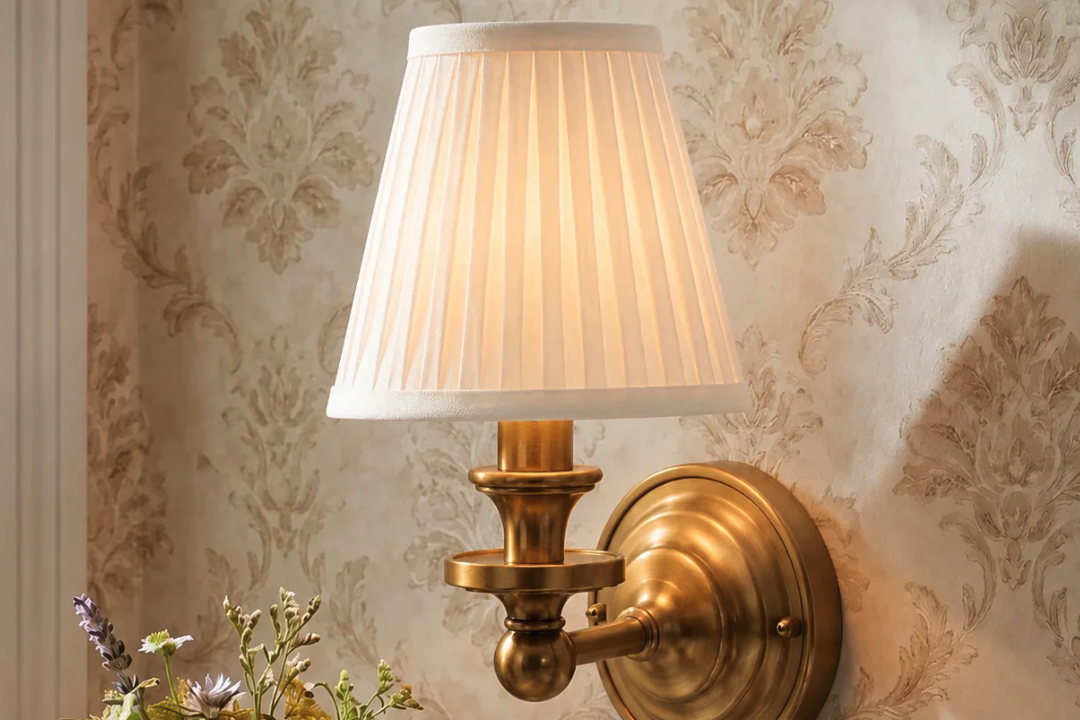
Let’s talk about adding a touch of something special to your living room, specifically with a Parisian brass wall sconce. The short answer is yes, a well-chosen brass wall sconce can absolutely elevate your living room’s look and feel, bringing in a dose of classic elegance, warmth, and focused light. It’s not just about illumination; it’s about creating an atmosphere.
Why a Parisian Brass Sconce?
So, why a Parisian brass sconce specifically? It’s not just a fancy label. Parisian design, especially from eras like the Belle Époque or Art Deco, has a distinct character. Think graceful curves, understated ornamentation, and a certain timeless quality. Brass, with its rich, golden hue, perfectly complements this aesthetic. It’s a material that ages beautifully, developing a natural patina that adds to its charm. Unlike chrome or brushed nickel, which can sometimes feel stark or modern, brass brings warmth – something often desired in a living space.
Beyond Just Light: An Artistic Touch
A wall sconce isn’t merely a light Imoddesigns source; it’s an architectural detail, a piece of wall art in itself. A Parisian brass sconce often features thoughtful designs, from delicate fluting to subtle reeding or even small, decorative finials. These aren’t mass-produced items meant to blend in; they’re designed to stand out in a tasteful, sophisticated way. They can act as focal points or complement existing artwork, drawing the eye and adding depth to your walls.
The Appeal of Warmth and Character
Modern interiors, while often sleek, can sometimes feel a bit cold or impersonal. Introducing a material like brass, especially with a vintage or Parisian-inspired design, immediately injects warmth and character. It speaks to a sense of history and craftsmanship, even if the sconce itself is newly manufactured. This material has been treasured for centuries, and that legacy is palpable when you bring it into your home.
Choosing the Right Sconce for Your Space
Selecting the perfect Parisian brass wall sconce involves more than just liking its look. You need to consider how it will integrate with your existing décor, the size of your room, and the kind of light you need.
Matching Your Existing Décor
Before you start browsing, take a good look at your living room. Is it more traditional, transitional, or a mix of styles? Parisian brass sconces come in various designs, from ornate, classic styles that would suit a more formal room to simpler, cleaner lines that can complement a modern aesthetic with a vintage twist.
- Traditional: Look for sconces with intricate detailing, fluted glass shades, or classic candelabra designs. These will blend seamlessly with antique furniture, rich fabrics, and a more formal setting.
- Transitional: Many Parisian-inspired designs fall into this category. They might have classic shapes but with less ornamentation, making them versatile enough to bridge traditional and contemporary elements.
- Eclectic: A brass sconce can be a fantastic way to add a touch of unexpected elegance to an eclectic room. Don’t be afraid to mix a vintage-style sconce with modern art or furniture; the contrast can be quite striking.
Size and Scale Considerations
This is crucial. An overly large sconce will overwhelm a small wall, while a tiny one will get lost on a vast expanse.
- Wall Space: Measure the wall area where you plan to install the sconce. Consider the height and width available.
- Proximity to Other Elements: Is it going next to a mirror, a piece of art, or a window? Ensure there’s enough breathing room around the sconce so it doesn’t feel cramped.
- Room Size: In a larger living room, you might consider a pair of sconces for balance, or a single larger, more impactful piece. For smaller rooms, a more delicate design might be more appropriate.
Understanding Light Output and Direction
A sconce isn’t typically your main source of light. It’s more about creating ambient light, accent light, or task lighting.
- Up-lighting: Many sconces direct light upwards, bouncing it off the ceiling to create soft, indirect illumination. This is excellent for ambient light and makes a room feel taller.
- Down-lighting: Sconces that direct light downwards can highlight artwork, architectural features, or provide a focused pool of light for reading if placed strategically.
- Diffused Light: Shades made of frosted glass or fabric will diffuse the light in all directions, creating a softer, more even glow.
- Bulb Type: Consider the kind of bulb the sconce uses. LED bulbs are energy-efficient and offer various color temperatures (warm white is usually best for living rooms). Edison-style bulbs can add character to open-faced sconces.
Strategic Placement for Maximum Impact
Where you put your sconces can make or break their effect. Think about functionality and aesthetics in equal measure.
Flanking a Focal Point
This is a classic and effective strategy. Placing a pair of sconces on either side of a fireplace, a large mirror, a prominent piece of art, or even a console table can instantly create a sophisticated focal point. The symmetry adds a sense of balance and grandeur to the room.
- Symmetry and Balance: When flanking, ensure the height and spacing are consistent. Use a tape measure and a level.
- Eye Level: Generally, the center of the sconce should be around eye level (around 60-66 inches from the floor), but this can vary depending on the specific sconce design and the height of the elements it’s flanking.
Illuminating Hallways and Entryways
While this article focuses on living rooms, a contiguous open-plan space might benefit from this idea. If your living room flows into a hallway or entryway, sconces can provide soft illumination without taking up precious floor space. They guide the eye and create a welcoming pathway.
- Creating Flow: Placed strategically, sconces can help define the transition between different areas of an open-plan living space.
- Practicality: In smaller, narrower spaces, sconces are often a better alternative to table lamps or floor lamps.
Adding Ambient Light Along Walls
If your living room feels a bit dark in certain corners or lacks depth, sconces can be strung along a longer wall to provide soft, ambient light that washes the wall with a warm glow. This is particularly effective in larger rooms.
- Spacing Correctly: If using multiple sconces along a wall, usually aim for even spacing (e.g., every 6-8 feet), considering the size of the wall and the light output of each sconce.
- Dimmer Switches: For ambient lighting, a dimmer switch is almost essential. It allows you to adjust the mood and intensity of the light from bright and inviting to soft and romantic.
Installation & Practical Considerations
Bringing in an electrician is often the safest and most efficient path, especially if you’re dealing with new wiring. However, some practical aspects are good to be aware of.
Hardwired vs. Plug-In Options
Most traditional wall sconces are designed to be hardwired directly into your home’s electrical system. This provides a clean look with no visible cords.
- Hardwired: This is the most common and aesthetically pleasing option as it hides all wiring within the wall. It requires existing wiring or the installation of new wiring by a qualified electrician.
- Plug-In: For those who rent, want flexible placement, or avoid electrical work, some sconces are available as plug-in models. These have a cord that plugs into a standard outlet. You might want to consider cord covers if you go this route to maintain a clean look. Some plug-in sconces are designed to be “convertible,” meaning they can be hardwired or used as plug-in.
Professional Installation Recommended
Unless you’re an experienced DIYer with electrical knowledge, hiring a licensed electrician is highly recommended for hardwired sconces. They ensure the wiring is safe, up to code, and properly connected to a switch (preferably a dimmer switch). Incorrect wiring can be a fire hazard.
- Safety First: Electrical work can be dangerous if not done correctly.
- Switch Placement: Decide where you want the light switch to be located. Will it be a wall switch, or linked to a central ceiling fan/light switch?
- Dimmers: I can’t stress enough how much a dimmer switch enhances the versatility and mood-setting capabilities of any lighting.
Maintenance of Brass
Brass is a beautiful material, but it does require a little care to keep it looking its best.
- Unlacquered Brass: This type of brass will naturally tarnish and develop a unique patina over time. Many people prefer this aged look as it adds character. If you want to restore its shine, you can use a brass polish.
- Lacquered Brass: This brass has a protective clear coating that prevents tarnishing. It will generally maintain its original shiny appearance for longer. Clean it with a soft, dry cloth. Avoid abrasive cleaners as they can damage the lacquer.
- Regular Dusting: Regardless of the finish, regular dusting with a soft, dry cloth will prevent buildup and keep your sconce looking good.
Beyond the Sconce: Integrating with Overall Design
A Parisian brass wall sconce, while a star in itself, should also play nicely with the other elements in your living room. It’s all about creating a cohesive and inviting space.
Complementary Accessories
Think about other brass elements in the room. Do you have a brass-framed mirror, a brass-footed coffee table, or brass decorative objects? The sconce can tie these disparate elements together, creating a harmonious feel.
- Subtle Echoes: You don’t need a lot of matching brass. Even a few carefully chosen pieces can create a sense of cohesion without being overly matchy-matchy.
- Mixed Metals: Don’t be afraid to mix brass with other metals, like iron or even some brushed nickel, especially in transitional or eclectic spaces. The warmth of brass often balances cooler tones.
Wall Color and Texture
The wall color behind your sconce will significantly impact its appearance.
- Dark Walls: A brass sconce on a dark, moody wall (like a deep navy or charcoal grey) creates a dramatic contrast, making the brass really pop and shine.
- Light Walls: On lighter walls (creams, whites, light greys), a brass sconce offers a softer, more subtle elegance while still providing warmth.
- Textured Walls: If you have textured wallpaper or a rustic wall finish, the sconce’s light will play off these textures, adding another layer of visual interest.
The Role of Other Lighting
Remember, a sconce is usually part of a layered lighting scheme.
- Layering Light: Combine your sconces with ceiling lights (recessed lighting, a chandelier) and floor or table lamps. This allows you to adjust the lighting for different activities and moods.
- Task Lighting: If you have a reading nook, a floor lamp or a small table lamp might be better for focused task lighting. The sconce provides ambient warmth.
- Overall Ambiance: The combined effect of all your lighting elements should be considered to create a truly inviting and functional living room. The warm glow of a brass sconce can contribute significantly to this.
In conclusion, a Parisian brass wall sconce isn’t just another light fixture. It’s a statement piece, a source of warmth, and an artistic touch that can genuinely enhance your living room. By considering its design, placement, and how it integrates with your existing décor, you can create a space that feels both elegant and uniquely yours. It’s a practical way to add character and sophistication without a complete overhaul.