


Let’s talk about that perfect little spot on your balcony. You know, the one where you can enjoy a quiet meal or a drink as the sun goes down. We’re going to explore how to make that space truly special with a touch of “Elegant Pleated Silk Wabi Sabi Balcony Dining Lighting.” Sounds fancy, right? But really, it’s about creating a beautiful, imperfect, and calming atmosphere that feels uniquely yours, using light as the main ingredient.
What Exactly is “Elegant Pleated Silk Wabi Sabi Balcony Dining Lighting”?
In a nutshell, it’s about combining three key elements to create a dining experience on your balcony that’s both sophisticated and deeply relaxing.
- Elegant Pleated Silk: This refers to the aesthetic of using silk fabrics, specifically those with pleats, to add texture, softness, and a touch of luxury. Think of the gentle folds in silk that catch light Smcliving beautifully, creating subtle shadows and highlights.
- Wabi Sabi: This is a Japanese philosophy that embraces imperfection, transience, and the beauty of natural aging. It’s about finding charm in what’s not perfectly polished, what’s a little worn, and what has a story. Applied to lighting, it means looking for elements that feel natural, perhaps a little handmade, and that develop character over time.
- Balcony Dining Lighting: This is the practical side. It’s about selecting and positioning lights that allow you to comfortably dine on your balcony, creating ambiance without being harsh or overly bright.
So, when we put it all together, we’re aiming for lighting that uses the soft, textured qualities of pleated silk, embraces the natural, imperfect beauty of wabi-sabi, and serves the functional need of illuminating your balcony dining area. It’s not about blinding brightness; it’s about creating mood, warmth, and a sense of peaceful retreat.
The Allure of Silk: Texture and Light Interaction
Silk, in its various forms, has a magical way of interacting with light. It’s not just about its sheen; it’s about how it diffuses, absorbs, and reflects light. For our balcony dining space, this translates into a softer, more inviting glow.
Understanding Silk’s Properties for Lighting
When we talk about silk for lighting, we’re not necessarily talking about large, heavy silk drapes. Instead, think about how silk can be incorporated into lampshades, decorative elements, or even as a subtle backdrop. Its natural fibers create a unique texture that’s visually interesting.
Diffusion and Softness
One of silk’s best qualities is its ability to diffuse light. Unlike materials that might cast harsh shadows, silk gently scatters light, creating a soft, even illumination. This is crucial for dining, as it prevents glare and makes the food and your companions look their best. Imagine a small lantern with a pleated silk shade; the light emanating from it will be incredibly soft and flattering.
Subtle Sheen and Color Play
Even undyed silk has a subtle sheen. When dyed, it can take on colors with a depth and richness that synthetic materials often struggle to replicate. This sheen catches the light, creating subtle variations in tone and adding a layer of visual interest to the illumination. A deep indigo silk shade, for example, will cast a moodier, more atmospheric light than a plain white one.
The Role of Pleats
Pleating adds another dimension. The folds create a play of light and shadow, adding depth and texture even when the light is off. When the light is on, these pleats become even more pronounced, creating dynamic patterns and enhancing the diffused glow. It’s these subtle details that elevate a simple light source into something more artistic.
Incorporating Pleated Silk Elements
You don’t need to be a seamstress to bring pleated silk into your balcony lighting. There are several ways to achieve this elegant effect.
Lampshades
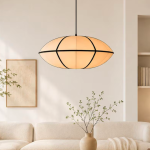
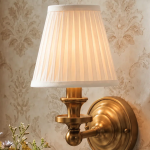
This is perhaps the most straightforward. Look for table lamps or hanging pendant lights with pleated silk shades. Many interior design stores now carry these, or you might find vintage pieces at antique shops or flea markets that can be repurposed. The size will depend on your balcony, but a medium-sized lamp on a small table can be perfect.
Lanterns and Diffusers
Small decorative lanterns made from or incorporating pleated silk can be hung or placed on surfaces. These are excellent for adding accent lighting and a touch of gentle illumination without overpowering the space. Consider battery-operated LED versions for safety and ease of use.
Fabric Panels or Screens
If you have a larger balcony or want to create a more immersive feel, consider using pleated silk as part of a decorative screen or panel. This could be a freestanding screen or even a lightweight fabric hung behind a light source to soften and color the light.
Embracing Wabi Sabi: The Beauty of Imperfection
Wabi Sabi is the soul of this concept. It’s about finding beauty in the imperfect, the transient, and the humble. For balcony dining lighting, this means moving away from perfectly manufactured, mass-produced items and seeking out pieces with character and a sense of history or handmade charm.
What Wabi Sabi Looks Like in Lighting
Think of items that have a gentle patina, a slightly uneven texture, or a form that feels natural rather than rigidly geometric. It’s about a feeling of authenticity.
Natural Materials and Textures
Wabi Sabi often favors natural materials like wood, clay, paper, and of course, natural fibers like silk. These materials age gracefully, developing a unique character over time. A wooden lamp base that shows its grain, or a ceramic fixture with a slightly uneven glaze, fits perfectly.
Handmade Qualities
Items that appear to be handmade often embody wabi-sabi. This could be visible brushstrokes on a ceramic, slight variations in the weave of a fabric, or the subtle asymmetry of a hand-blown glass element. It’s the evidence of human touch that adds to its charm.
The Patina of Age
Wabi-sabi doesn’t shy away from signs of age. A light fixture with a subtle patina, perhaps a hint of rust on metal elements, or a lampshade that’s slightly softened with time, can add immense character. It suggests that the item has been around, has a story, and isn’t afraid to show it.
Applying Wabi Sabi Principles to Your Lighting Choices
It’s not about buying something that’s deliberately “broken” or damaged, but rather seeking out pieces that have inherent character and a sense of understated beauty.
Vintage and Secondhand Finds
Exploring antique stores, flea markets, or online secondhand marketplaces is a treasure trove for wabi-sabi lighting. Look for lamps with interesting, slightly aged bases, or shades made from natural materials that have a softened appearance.
Artisan-Made Pieces
Seeking out local artisans or small online shops that specialize in handmade lighting can yield beautiful results. These pieces often have a unique character and are made with care and attention to natural beauty.
Naturalistic Forms
Consider lighting fixtures that mimic natural forms – perhaps a lamp base shaped like a weathered branch, or a pendant light that resembles a softly formed seed pod.
Imperfect Finishes
Don’t be afraid of a slightly uneven glaze on a ceramic lamp, a crackled finish on a metal element, or a lampshade that isn’t perfectly taut. These are the details that tell a story and contribute to the wabi-sabi aesthetic.
Practical Lighting Solutions for Balcony Dining
Now, let’s get down to the nitty-gritty of how to make this lighting functional for dining on your balcony. The goal is to create enough light to see your food and company, but not so much that it feels like a spotlight.
Layering Light for Ambiance
Just like interior lighting, layering is key. You don’t want a single, harsh overhead light. Instead, think about combining different types of light sources to create depth and mood.
Ambient Light
This is the general illumination for the space. For a balcony, this might be a soft overhead pendant light or a series of string lights. The key is that it should be gentle and diffuse.
Task Lighting
This is for actually seeing what you’re doing. For dining, this often means a light directed downwards onto the table. A small table lamp on the dining surface or a pendant light hung slightly lower than usual can serve this purpose.
Accent Lighting
These are the smaller touches that add mood and highlight specific areas. Think of small lanterns, uplighters on plants, or subtle lights integrated into planters.
Choosing the Right Fixtures
The type of fixtures you choose will significantly impact the overall feel and functionality.
Pendant Lights
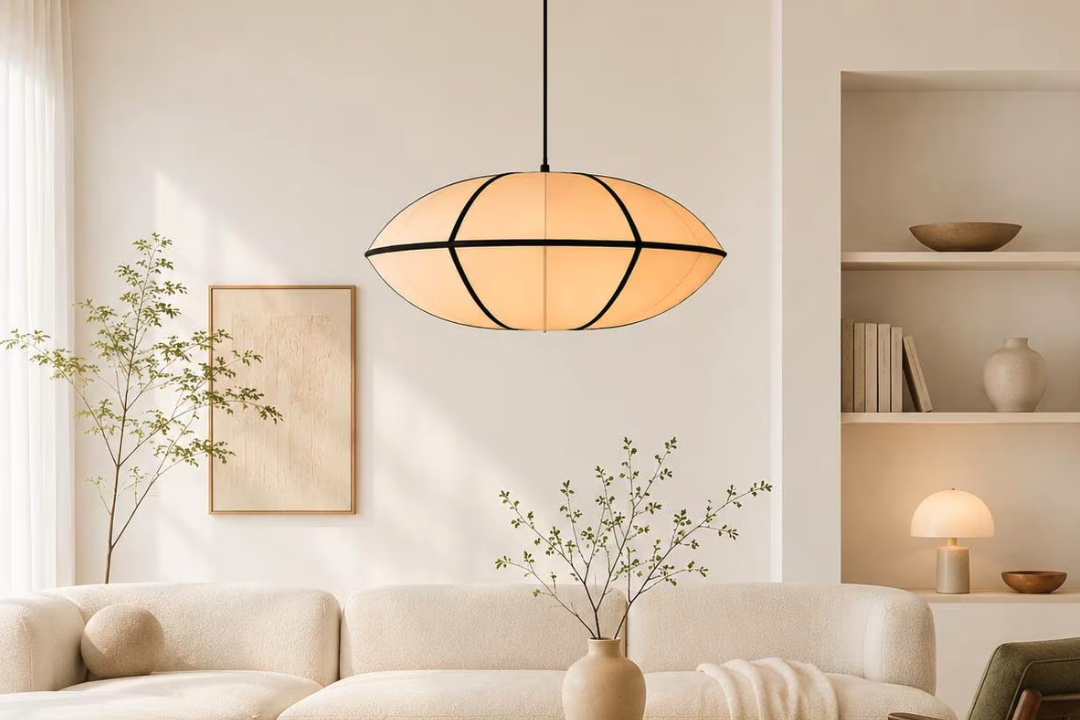
A single, elegant pendant light hung above the dining area can be a focal point. Opt for a shade made from pleated silk or a material that diffuses light beautifully. Consider the height carefully – it should be low enough to provide focused light on the table but high enough not to be a hazard.
Table Lamps
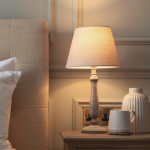
A charming table lamp placed on your dining surface can provide both task and ambient light. Look for one with a pleated silk shade and a base that complements the wabi-sabi aesthetic. Battery-operated LED options are great for balconies, offering flexibility and avoiding the need for cords.
String Lights
Subtle string lights can add a magical glow. Instead of harsh, bare bulbs, opt for Edison-style bulbs or those with a warmer hue. You can drape them along railings, pergolas, or even through nearby plants.
Lanterns
Decorative lanterns, especially those incorporating silk or natural materials, can be placed on the ground, tables, or hung from hooks. They are excellent for adding pockets of warm, inviting light.
Powering Your Balcony Lights
This is a practical consideration that can sometimes be overlooked.
Solar-Powered Options
These are fantastic for balconies as they require no wiring and are environmentally friendly. Many solar string lights and lanterns are now available and can provide a lovely ambiance. Just ensure they get enough sunlight during the day to charge.
Battery-Operated LEDs
These offer the most flexibility. They come in a vast array of styles, from fairy lights to more substantial table lamps, and are easy to move and position. Look for rechargeable options to be more sustainable.
Outdoor-Rated Extension Cords
If you have an outdoor electrical outlet, consider using high-quality, outdoor-rated extension cords. Ensure they are safely secured and not a tripping hazard. Always check the wattage of your fixtures to avoid overloading circuits.
Creating the Wabi Sabi Ambiance with Silk
The real magic happens when you marry the tactile beauty of silk with the philosophy of wabi-sabi, all within the context of your balcony dining space. It’s about creating a sensory experience.
Texture as a Visual Element
Silk’s pleats are not just for show; they actively shape how light behaves and how we perceive the fixture.
The Dance of Light and Shadow
The uneven surfaces of pleated silk create a subtle interplay of light and shadow. This dynamic quality adds depth and interest, preventing the light from feeling flat or monotonous. Imagine the gentle ripple of shadows cast by a pleated silk lampshade as a light breeze moves it.
Softening the Edges
The inherent softness of silk, especially when pleated, helps to soften any harshness from the light source. It wraps the light in a gentle embrace, creating a welcoming and soothing atmosphere.
Color Palette and Material Harmony
The colors you choose for your silk elements and the materials of your other lighting fixtures will contribute to the overall wabi-sabi feel.
Earthy Tones and Natural Hues
Think of colors found in nature: muted greens, earthy browns, soft grays, creamy whites, and subtle blues. These colors resonate with the wabi-sabi ethos and are often beautifully enhanced by the way silk takes on dye.
Unfinished or Natural Wood Elements
Pairing your silk lighting with lamp bases or decorative accents made from unfinished or naturally aged wood enhances the wabi-sabi connection. The grain of the wood and the texture of the silk create a harmonious dialogue.
Matte Finishes
Avoid overly shiny or metallic finishes. Opt for matte ceramics, brushed metals, or patinated surfaces that feel more grounded and less ostentatious.
Incorporating Natural Elements Beyond Lighting
To truly enhance the wabi-sabi atmosphere, extend the philosophy to other elements on your balcony.
Plants and Greenery
Abundant plants, especially those with natural, slightly wild growth patterns, are essential. Think of ferns, grasses, or plants with interesting leaf textures.
Natural Fiber Textiles
Consider cushions or throws made from linen, hemp, or textured cotton. These natural fibers complement the silk and add to the tactile richness of the space.
Simple, Uncluttered Surfaces
Keep surfaces relatively clear. The focus should be on the interplay of light, texture, and natural elements, rather than an abundance of decorative objects.
Integrating Elegant Pleated Silk Wabi Sabi Lighting into Your Balcony Design
Finally, let’s think about how to weave these elements together seamlessly into your existing balcony setup. It’s about creating a cohesive and inviting dining nook.
Scale and Proportion
The size of your lighting fixtures should be appropriate for the size of your balcony and your dining area.
Small Balconies
On a compact balcony, opt for smaller, more intimate lighting. A single, well-chosen table lamp or a few strategically placed lanterns might be more effective than a large pendant. Ensure they don’t dominate the space or make it feel cramped.
Larger Balconies
A larger balcony can accommodate slightly larger fixtures, or multiple smaller ones. A well-placed pendant light can create a strong focal point, while string lights can help define the dining area.
Safety Considerations for Outdoor Lighting
Balconies are exposed to the elements, so safety is paramount.
Weather-Resistant Fixtures
Ensure any lighting intended for outdoor use is specifically rated for outdoor conditions. This includes protection against moisture, dust, and UV rays.
Secure Installation
All lighting fixtures, especially pendant lights, should be securely installed to withstand wind and weather. If you’re unsure, consult a professional.
Cable Management
Keep all electrical cords tidy and out of the way to prevent tripping hazards. Use outdoor-rated cable clips and ensure they are not exposed to excessive moisture.
Creating Zones for Dining and Relaxation
Your balcony lighting can help define different areas for dining and relaxation, even on a small space.
The Dining Zone
Focus task lighting directly over your dining table to ensure comfortable eating. This might be a pendant light or a table lamp.
The Relaxation Zone
For other areas of the balcony, use softer, more ambient lighting. String lights draped along a railing or a few scattered lanterns can create a cozy atmosphere for enjoying a drink or reading.
The Transition
Use the edges of your lighting zones to create a smooth transition. Perhaps a dimmer ambient light at the periphery of the dining area can subtly connect the two spaces.
By thoughtfully selecting and arranging your elegant pleated silk wabi-sabi balcony dining lighting, you can transform a simple outdoor space into a serene and sophisticated sanctuary. It’s about embracing the beauty of imperfection, the softness of silk, and the practical need for light, all to create an experience that is both visually stunning and deeply calming.