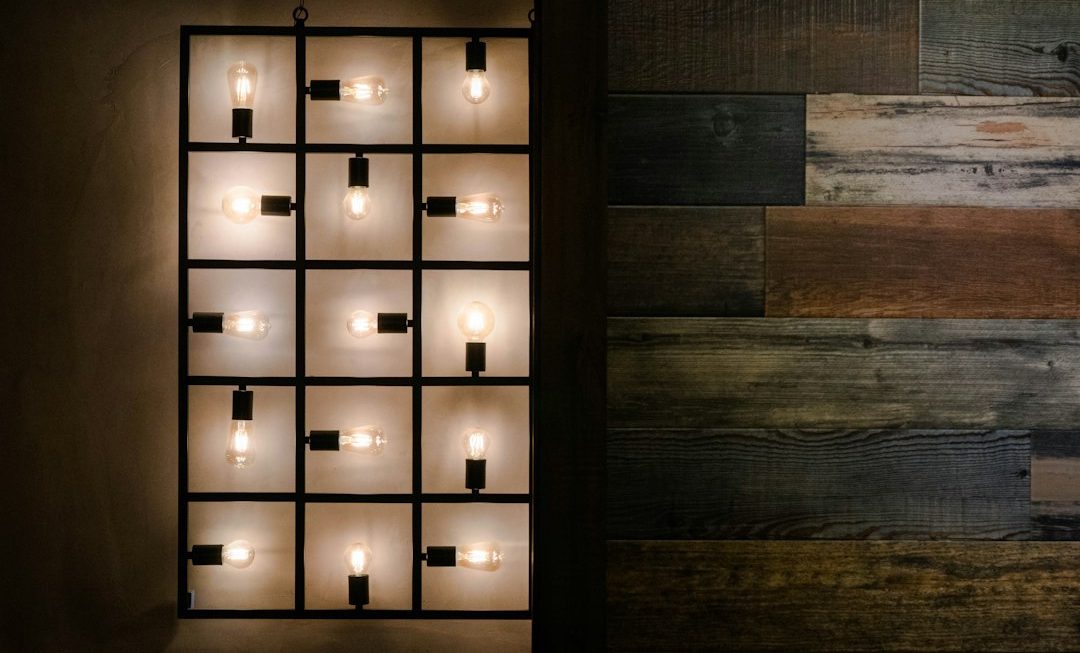



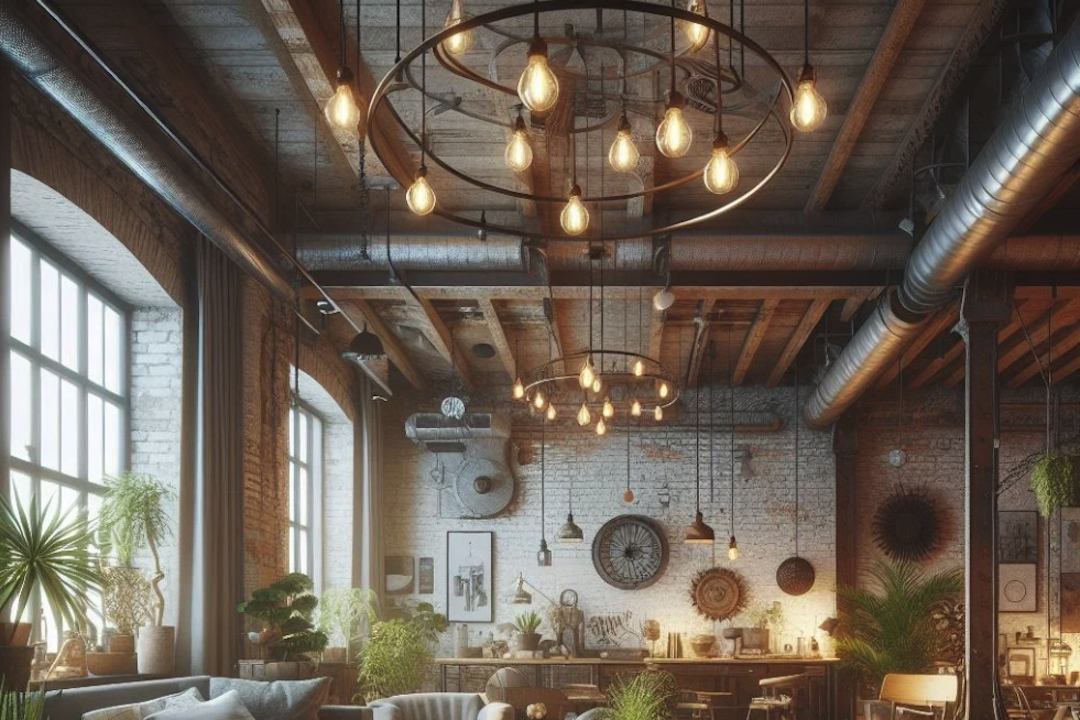
Want to make your industrial-style space feel a bit more inviting? You’re in luck, because embracing warmth in industrial lighting is a huge trend right now. Forget the stark, cold warehouse vibe – we’re talking about bringing in cozy, comfortable, and downright livable elements using light. This isn’t about ditching the industrial aesthetic; it’s about refining it, making it feel more personal and less like you’re about to start manufacturing widgets.
So, how do we do it? It boils down to a few key shifts: choosing the right fixtures, playing with materials, and understanding how to manipulate light Yigo itself. Let’s dive into how you can bring that welcoming glow to your industrial interiors.
For a long time, industrial design was all about authenticity and functionality. Exposed pipes, raw concrete, and utilitarian fixtures were the stars of the show. And there’s nothing wrong with that! It creates a sense of history and purpose. However, as these spaces have become more popular for homes and businesses, people started craving a different feel. The “showroom” industrial look could sometimes feel a little… unapproachable.
From Factory Floor to Living Room
The transition isn’t about abandoning the core principles of industrial design. Think of it as an evolution. We’re taking the best elements – the honest materials, the sense of space, the history – and layering in comfort and personality. Lighting is one of the most powerful tools for achieving this. It’s the difference between a space that’s just there and a space that feels like home, or a welcoming place to spend time.
The “Humanizing” Effect of Light
Warm light has a fundamental psychological impact. It’s associated with safety, relaxation, and comfort. Think about the difference between the harsh fluorescent lights of an office and the soft glow of a bedside lamp. Industrial lighting is now embracing this principle, recognizing that even in a space with tough materials, a touch of warmth can make a huge difference in how people feel and interact within it.
Material Matters: Beyond Bare Metal
While metal is undoubtedly a cornerstone of industrial design, the types of metals and how they’re treated are changing. We’re seeing a move towards finishes that diffuse light and add a softer sheen, rather than the harsh, reflective surfaces of the past.
The Rise of Aged and Patinated Finishes
Instead of bright chrome or polished nickel, look for fixtures with aged brass, brushed bronze, or blackened steel. These finishes have a richer, more complex appearance. They catch the light in a softer way, creating subtle variations in tone and depth.
Why Aged Finishes Work
These finishes evoke a sense of history and authenticity without feeling overtly aged. They suggest that a fixture has been around for a while, accumulating character. This adds a layer of depth and a lived-in feel to the space, which is crucial for creating warmth.
Introducing Wood and Ceramic Elements
While not strictly “industrial” in the traditional sense, wood and ceramic are increasingly being integrated into industrial lighting fixtures. Think of pendants with wooden accents, sconces with ceramic shades, or even lamps with ceramic bases.
The Natural Touch
Wood brings an organic warmth that metal can’t replicate. Even darker, reclaimed woods can introduce a comforting texture. Ceramics offer a matte finish that absorbs light beautifully, creating a soft, diffused glow. These natural elements act as a counterbalance to the sometimes austere nature of metal and concrete.
The Impact of Frosted and Opaque Shades
Clear glass or exposed bulbs were once the go-to for industrial lighting. Now, frosted glass, opal shades, and even opaque materials are gaining traction. These elements diffuse the light, preventing harsh glare and creating a softer, more ambient illumination.
Softening the Glow
This isn’t about hiding the light source entirely, but about managing its intensity. Frosted or opal shades create a more even spread of light, filling the space with a gentle luminosity. Opaque shades can direct light downwards or upwards, allowing for more targeted and atmospheric lighting.
Color Temperature: The Secret Sauce of Warmth
This is perhaps the most straightforward way to inject warmth into an industrial space. The “color temperature” of a light bulb, measured in Kelvin (K), dictates how warm or cool the light appears.
Moving Beyond Cool Whites
For years, many industrial spaces opted for cooler white bulbs (4000K and above), thinking it aligned with the “clean and functional” aesthetic. While this can work in some very specific contexts, for embracing warmth, we need to dial it back.
The Sweet Spot for Warmth
Look for bulbs in the 2200K to 3000K range. 2700K is often considered a standard “warm white,” similar to incandescent bulbs, and is a great starting point. For an even cozier, more atmospheric feel, consider 2200K, which can lend a beautiful amber hue.
The Role of Dimming Capabilities
Even with warm bulbs, the ability to control the intensity of the light is crucial for creating different moods and levels of warmth. Dimmers allow you to adjust the lighting from a brighter, more functional level to a soft, intimate glow.
Creating Ambiance on Demand
Imagine a space that can be bright and airy during the day for work or socializing, and then transition to a warm, inviting sanctuary in the evening. Dimmers make this possible, offering versatility and control over the atmosphere.
LEDs: The Modern Solution for Warm Tones
The good news is that modern LED technology offers an incredible range of warm color temperatures, often with excellent dimming capabilities. You no longer have to sacrifice energy efficiency for that desirable warm glow.
Energy Efficiency Meets Ambiance
Gone are the days when warm lighting meant high energy bills. LEDs that mimic the look and feel of traditional incandescent bulbs are readily available and far more energy-efficient. This allows you to embrace warmth without compromising on practicality.
Fixture Styles: Reimagining the Classics
The actual design of the light fixtures is also playing a significant role in this trend. We’re seeing classic industrial silhouettes reinterpreted with softer materials and more refined details.
The Evolved Pendant Light
Pendant lights are a staple in industrial design, and they’re getting a warm makeover. Instead of purely utilitarian metal shades, we’re seeing more fabric, ceramic, and wood integrated into their construction.
Embracing Texture and Form
Think of a large, exposed Edison bulb encased in a frosted glass bell, or a metal pendant with a natural wood collar. These details add visual interest and soften the overall look. The focus is on creating a focal point that’s both stylish and inviting.
Wall Sconces with a Softer Touch
Wall sconces, often used for task lighting or accentuating architectural features, are also moving towards a warmer aesthetic. Metal sconces are now often seen with seeded glass, woven details, or even subtle fabric shades.
Targeted Warmth
Sconces are great for creating pockets of warmth and intimacy. A sconce placed strategically can cast a gentle pool of light, perfect for reading nooks or highlighting artwork. The trend is to make these functional elements also contribute to the overall ambiance.
Floor and Table Lamps: Adding Layers of Light
Floor and table lamps are essential for layering light and adding that final touch of coziness. Industrial-style lamps are now incorporating warmer materials like leather, darker woods, and fabrics that diffuse light beautifully.
The Comfort of Ambient Lighting
These lamps are not just about illumination; they’re about creating a feeling. A well-placed floor lamp can transform a corner of a room, making it feel more inviting and comfortable. They offer a more intimate and personal lighting experience compared to overhead fixtures.
The Art of Layering: Beyond the Single Source
One of the most effective ways to create a warm and inviting atmosphere is by layering your lighting. This means using a combination of different light sources at various heights and intensities.
Ambient, Task, and Accent Lighting Working Together
This classic lighting design principle is crucial for industrial spaces looking to embrace warmth.
Ambient Lighting: The Foundation
This is the general illumination of the space. In an industrial context, this might come from well-chosen pendants or ceiling fixtures with warm, diffused light. The goal is to avoid harsh, overhead glare.
Task Lighting: For Functionality and Focus
Task lighting is for specific activities like reading, cooking, or working. Think of adjustable desk lamps, under-cabinet lighting, or directional spotlights. The key here is to ensure the light is focused and comfortable, not harsh.
Accent Lighting: Highlighting and Mood-Setting
Accent lighting is used to draw attention to specific features, like artwork, architectural details, or even plants. This is where you can really play with creating mood and drama with warmer, more focused beams of light.
Strategic Placement for Maximum Impact
It’s not just about having different types of lights; it’s about where you put them.
Creating Pools of Warmth
Think about where you want people to gather and linger. Placing a warm floor lamp next to a comfortable armchair creates an immediate invitation to relax. Strategically placed sconces can create intimate dining areas.
Avoiding the Glare Zone
In industrial spaces, it’s easy to end up with a lot of hard surfaces that can reflect light unpleasantly. Layering light allows you to combat this by creating softer, more dispersed illumination, and avoiding direct light sources that cause glare.
The Importance of Shadow Play
Warm lighting often involves embracing shadows rather than eliminating them. Shadows can add depth, dimension, and a sense of coziness to a space.
The Dynamic Nature of Light and Shadow
When light is layered effectively, it creates natural variations in brightness and darkness. This dynamism makes a space feel more visually interesting and less sterile. Think of how a single spotlight on a piece of art creates a beautiful interplay of light and shadow.
Embracing the Atmosphere: Your Warm Industrial Haven
Ultimately, embracing warmth in industrial lighting is about creating a space that feels as good as it looks. It’s about taking the inherent character of industrial design and infusing it with comfort, personality, and a sense of welcome. By paying attention to fixture materials, color temperature, and the art of layering, you can transform your industrial space from a stark showcase into a truly inviting haven.
Practical Takeaways for Your Space
So, what can you do right now?
1. Check Your Bulbs:
This is the easiest and most impactful change. Swap out any cool white bulbs for ones in the 2200K-3000K range.
2. Consider Fixture Finishes:
If you’re in the market for new fixtures, lean towards aged brass, bronze, or matte black finishes. Look for elements of wood or ceramic.
3. Introduce Dimmer Switches:
Install dimmers on your main lighting circuits. This is a game-changer for controlling ambiance.
4. Layer Your Lighting:
Don’t rely on a single overhead light. Add floor lamps, table lamps, and wall sconces to create depth and warmth.
5. Embrace Diffused Light:
Opt for fixtures with frosted glass, opaque shades, or materials that soften the light’s intensity.
By implementing these practical tips, you can start to see and feel a real difference in your industrial space, making it not just stylish, but genuinely comfortable and lived-in. It’s about making that industrial aesthetic truly your own, with a welcoming glow.