

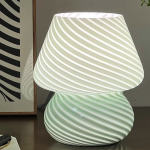
Elevating Your Gallery Wall with Globe-Shaped Lamps
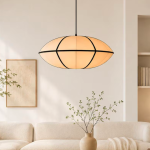
So, you’re wondering if a globe-shaped reading lamp is the right fit for your gallery wall? The short answer is yes, absolutely! These lamps aren’t just for reading; they offer a fantastic way to add both functional light and a touch of artistic flair to your curated collection of art and photos. They can serve as a subtle spotlight for a particular piece, a balanced element in a larger composition, or even a statement piece in themselves. We’ll dive into how to pick the perfect one, where to place it, and how to make it work seamlessly with your existing decor.
Why Globe Lamps Work So Well
There’s something inherently appealing about the simple, elegant form of a globe. It’s universally recognized, yet when incorporated into lighting, it can feel surprisingly fresh and modern. For a gallery wall, this form factor offers several distinct advantages that other lamp styles might not.
Balanced Aesthetics
The spherical shape of a globe lamp is inherently balanced and pleasing to the eye. This makes it an ideal counterpoint to the often rectilinear shapes of framed art and photographs. It can break up the visual monotony without introducing a chaotic element. Imagine a grid of square frames; a single, well-placed globe lamp can introduce a soft curve that softens the overall presentation and adds visual interest. This balance prevents the wall from feeling too rigid or sterile, injecting a more organic, artistic feel.
Versatile Design Integration
Globe lamps come in a surprising array of materials and finishes, making them incredibly versatile. From minimalist frosted glass to industrial-chic metal cages, or even intricate blown glass with unique patterns, there’s a globe lamp to suit almost any aesthetic. This versatility means you don’t have to compromise on your existing style when adding one to your gallery wall. A polished brass globe can elevate a vintage-inspired collection, while a sleek black matte finish might complement a more contemporary display. The key is to consider the finishes and textures already present on your wall and choose a globe lamp that either complements or thoughtfully contrasts them.
Targeted Illumination
Unlike a broad overhead light or a floor lamp that illuminates a general area, a globe-shaped reading lamp, especially one with an adjustable arm or head, can provide focused light exactly where you need it. This is invaluable for a gallery wall, as it allows you to highlight specific pieces of art, draw attention to intricate details, or simply provide enough light to comfortably view your collection without glare. The focused beam can create a dramatic effect, making certain artworks pop and adding depth to the entire display.
Space Efficiency
Many globe-shaped reading lamps are designed to be relatively compact, particularly those intended for wall mounting. This is a huge benefit for gallery walls, where space is often at a premium. You want to add light without overwhelming the art itself. A well-designed globe lamp can sit subtly within the composition, providing illumination without taking up undue visual real estate. Wall-mounted versions are particularly good at this, as they free up floor space and integrate directly into the wall’s aesthetic.
Selecting Your Perfect Globe Lamp
With so many options out there, choosing the right globe lamp for your gallery wall can feel a bit daunting. But by considering a few key factors, you can narrow down your choices and find a lamp that not only looks great but also functions perfectly.
Size and Scale Considerations
The size of your globe lamp should be proportionate to your gallery wall and the individual pieces on it. A tiny lamp on a vast wall will get lost, while an oversized one might overwhelm smaller artworks. As a general guideline, aim for a lamp that feels balanced within its immediate surroundings. If you’re highlighting a single, prominent piece, a slightly larger globe might work well. For a wall with many smaller pieces, a more diminutive lamp or several smaller ones strategically placed could be more effective. Don’t be afraid to use painter’s tape to mark out the potential size of a lamp on your wall before committing – it’s a great way to visualize the scale.
Material and Finish Harmony
Think about the materials and finishes already present on your gallery wall and in the surrounding room. Do you have a lot of warm wood tones? A brass or copper globe lamp could enhance that warmth. Is your decor more industrial? A matte black or brushed nickel globe might be a better fit. Frosted glass globes offer a soft, diffused light and a timeless aesthetic, while clear glass globes can feel more modern and showcase the bulb itself. The goal is to create a cohesive look, even if you’re aiming for a deliberate contrast. For example, a sleek chrome globe against a rustic wooden gallery wall can be a very effective, intentional contrast.
Light Source and Direction
This is crucial for a reading lamp, but also important for highlighting art. Does the lamp offer direct, focused light or a softer, diffused glow? Many globe reading lamps feature an adjustable head or arm, allowing you to direct the light precisely where you need it. This is ideal for spotlighting a particular artwork or providing task lighting for reading nearby. Consider the type of bulb it takes as well. LED bulbs are energy-efficient and come in various color temperatures (warm white, cool white). A warm white bulb will generally create a cozy atmosphere and enhance the colors in your art, while a cooler white might be better for showcasing intricate details.
Installation Type and Power
Will your lamp be hardwired into the wall, or do you need a plug-in option? Hardwired lamps offer a cleaner look with no visible cords, but require electrical work. Plug-in lamps are easier to install but mean you’ll need to manage the cord, perhaps with cord covers or by strategically hiding it behind furniture. Consider if the lamp is wall-mounted, a small table lamp for a nearby surface, or even a clip-on option if you need maximum flexibility. Wall-mounted options are generally the most seamless for a gallery wall.
Strategic Placement for Impact
Where you put your globe lamp on a gallery wall is just as important as the lamp itself. Good placement can enhance your art, while poor placement can detract from it. Think of the lamp as another element in your overall composition.
Centered or Off-Center?
There’s no hard and fast rule here, but both approaches have their merits. A centrally placed globe lamp can act as an anchor for your gallery wall, drawing the eye to the middle and creating a sense of balance. This works particularly well if your wall has a symmetrical layout. An off-center placement, on the other hand, can create a more dynamic and interesting composition. It can lead the eye across the wall, highlighting different sections as you move. You might place it above a particularly important piece of art, or as a counterpoint to a heavier grouping of frames.
Highlighting Specific Artworks
If you have a particular piece of art you want to emphasize, positioning your globe lamp directly above or beside it, allowing the light to wash over it, can create a powerful focal point. This is especially effective for textured pieces, sculptures, or artworks with fine details that benefit from direct illumination. Ensure the light isn’t causing glare on framed art by adjusting the angle of the lamp head if possible. Sometimes, a subtle, indirect wash of light is more effective than a direct beam.
Creating Visual Balance
A globe lamp can be used to balance out an uneven gallery wall. For example, if you have a cluster of larger frames on one side, a strategically placed globe lamp on the opposite side can help distribute the visual weight, making the entire composition feel more harmonious. Think of it as another shape and form you’re incorporating into your artistic arrangement. Its spherical nature often provides a soft contrast to the hard edges of frames, further contributing to balance.
Reading Nooks and Task Lighting
Since we’re talking about reading lamps, consider if your gallery wall is near a reading nook or a comfortable chair. Placing the globe lamp in a position where it can effectively illuminate both your art and your book adds incredible functionality. This turns your gallery wall into more than just a display; it becomes an integral part of a functional living space. The adjustable nature of many reading lamps is key here, allowing you to easily switch between illuminating art and providing task lighting.
Avoiding Glare and Shadows
This is perhaps the most practical consideration. Position your lamp so it doesn’t cast harsh shadows on your art or create distracting glare, especially on glass-covered frames. Experiment with the angle and distance. Sometimes, moving the lamp just a few inches can make a big difference. If your lamp has a dimmer, even better – you can adjust the intensity to prevent over-lighting. For reflective art, try positioning the light slightly above and to the side, rather than directly in front.
Integrating with Existing Decor
Your gallery wall doesn’t exist in a vacuum; it’s part of a larger room. Seamlessly integrating your globe lamp with your existing decor is key to a cohesive and stylish space.
Cohesive Style and Theme
Before selecting a lamp, take a step back and assess the overall style and theme of your room. Is it modern minimalist, rustic farmhouse, bohemian eclectic, or classic traditional? Your globe lamp should either align with this style or offer a well-thought-out contrast. A sleek, chrome globe lamp might clash in a heavily rustic room unless it’s introduced as a deliberate, modern accent. Conversely, a distressed bronze globe might look out of place in a stark, contemporary setting. The goal is for the lamp to feel like an intentional part of the design, not an afterthought.
Color Palette Coordination
Consider the dominant colors in your room and on your gallery wall. Does the lamp’s finish complement these colors? A white frosted globe is incredibly versatile and works with almost any palette. A brass lamp can add warmth to a cool-toned room, while a black lamp can create a striking contrast in a lighter space. Don’t forget about the color of the light itself – warm white bulbs (around 2700K-3000K) are generally flattering for homes and art, while cooler white bulbs (above 4000K) can feel more stark or commercial.
Furniture and Accessories Integration
Look at the furniture and accessories near your gallery wall. Do they share common materials, textures, or finishes with your chosen lamp? For instance, if you have a side table with a marble top, a globe lamp with a marble base or accent could create a subtle connection. If your living room features a lot of metallic accents, ensure your lamp’s finish complements those. The lamp shouldn’t feel isolated; it should tie into the broader decorative scheme of the room, creating a sense of visual continuity.
The Role of Cord Management
If you’re using a plug-in globe lamp, effective cord management is paramount to maintaining a polished look. Dangling cords can quickly detract from even the most beautifully curated gallery wall. Options include using adhesive cord clips to run the cord neatly along the wall, painting the cord the same color as your wall to make it less noticeable, or investing in decorative cord covers that blend with your decor. In some cases, strategically placed furniture can help obscure the cord. The cleaner the cord situation, the more sophisticated your overall display will appear.
Maintenance and Longevity
Once your globe-shaped reading lamp is perfectly placed and illuminating your gallery wall, a little ongoing care will ensure it continues to look great and function optimally for years to come. These aren’t high-maintenance items, but a bit of attention goes a long way.
Regular Dusting and Cleaning
Dust is the enemy of any light fixture, and globe lamps are no exception. Dust build-up can dim the light output and make the lamp look dull. A quick wipe-down with a soft, dry microfiber cloth every week or two is usually sufficient. For glass globes, a slightly damp cloth with a mild glass cleaner can remove smudges and fingerprints, just be sure to dry it thoroughly to avoid streaks. Always ensure the lamp is turned off and cool before cleaning.
Bulb Replacement and Efficiency
Eventually, your bulb will need replacing. If you’ve opted for LED bulbs, this will be less frequent, but it’s still good to know what type of bulb your lamp takes. Keep a spare on hand, especially if it’s an unusual size or fitting. When replacing, consider upgrading to a more energy-efficient LED if you haven’t already. Not only will this save on electricity bills, but LEDs also generate less heat, which can be beneficial if your lamp is close to delicate artwork. Pay attention to the lumen output and color temperature of the replacement bulb to maintain the desired illumination and ambiance.
Checking Electrical Connections
For hardwired lamps, ensure the connections remain secure. If you notice any flickering or inconsistent light, it might be a sign of a loose connection, which should be addressed by a qualified electrician. For plug-in lamps, regularly inspect the cord for any fraying or damage, especially if it’s in a high-traffic area or gets moved frequently. A damaged cord is a safety hazard and should be replaced or repaired professionally. Also, ensure the plug is firmly seated in the outlet.
Protecting Your Wall and Art
If your lamp has an adjustable arm or head, be mindful when repositioning it. Avoid bumping or scratching your wall or framed artwork. If the lamp generates a noticeable amount of heat (more common with older incandescent bulbs), ensure there’s adequate distance between the bulb and any heat-sensitive materials on your wall, such as canvas or delicate papers, to prevent damage over time. LED bulbs are generally much cooler, significantly reducing this concern.