


The entryway serves as the initial impression of a home. It’s the space guests encounter first, a transition zone from the outside world to the interior. This often overlooked area presents a significant opportunity for design impact, and one of the most effective ways to elevate it is through statement lighting. Rather than functional illumination, statement lighting offers an aesthetic focal point, dictating the mood and style of the entire entrance.
Beyond Mere Illumination: Setting the Tone
Statement lighting transcends its utilitarian purpose. It’s not just about brightness; it’s about design. A well-chosen fixture can instantly define the character of an entryway, whether the desired aesthetic is modern, traditional, rustic, or eclectic. The scale, material, and form of the light fixture all contribute to this overall impression. A grand chandelier can impose a sense of formality, while a minimalist pendant speaks to contemporary chic. The right lighting can make a small entryway feel grander or a spacious foyer more intimate.
The First Impression: Welcoming Guests
The entryway lighting is the first visual cue guests receive upon entering a home. It signals the homeowner’s attention to detail and their personal style. A striking fixture can elicit a positive initial reaction, creating a sense of warmth and invitation. Conversely, inadequate or uninspired lighting can leave a neutral, or even negative, impression. The entryway is a handshake for your home; the lighting is the gesture that accompanies it.
Architecting the Atmosphere: Mood and Ambiance
Lighting has a profound impact on mood. In the entryway, this is crucial. It should transition a guest from the often harsh exterior light to a more comfortable interior environment. Statement lighting, through its design and the quality of light it emits, can cultivate a specific atmosphere. Warm, diffused light can create a cozy and inviting feel, while brighter, more focused light might lend a sense of sophistication. The ability to adjust brightness, for example through dimmers, further enhances this control over ambiance.
Defining Your Entryway’s Style with Lighting
Identifying Your Home’s Aesthetic
Before selecting a statement light, it’s important to consider the existing style of your home. Is it characterized by clean lines and neutral palettes, suggesting a modern or minimalist approach? Or does it feature ornate details and rich textures, pointing towards a more traditional or classic design? Harmonizing the entryway lighting with the overall aesthetic ensures a cohesive and intentional design. A very modern light fixture might feel out of place in a Victorian-era home, and vice-versa.
Bridging Indoor and Outdoor Design
The entryway acts as a transition, and its lighting can subtly bridge the gap between the exterior and interior environments. If the exterior features natural materials like stone or wood, an entryway light with similar textures or a natural finish can create a seamless transition. Conversely, a bold metallic fixture might offer a striking contrast, introducing a hint of the interior’s style even before guests step fully inside.
The Role of Scale and Proportion
The size of the entryway is a primary consideration when choosing a statement light. A massive chandelier in a small foyer can overwhelm the space, making it feel cramped. Conversely, a diminutive pendant in a grand hall will be lost, failing to make the intended impact. Designers often recommend a rule of thumb: the fixture’s width should be roughly one-third the width of the entryway. However, this is a guideline, and visual balance is the ultimate goal. The height of the ceiling is also critical. For standard 8-foot ceilings, a hanging fixture should ideally be hung with at least 7 feet of clearance from the floor. Higher ceilings allow for longer or more substantial fixtures.
Types of Statement Lighting for Entryways
Chandelier: The Timeless Classic
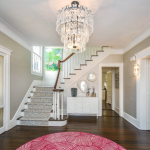
Chandeliers have long been associated with grandeur and elegance. In an entryway, a well-chosen chandelier can command attention and establish a sophisticated atmosphere.
Modern Interpretations of Classic Design
Contemporary chandeliers often reinterpret traditional forms with updated materials and a streamlined aesthetic. Think geometric shapes, minimalist detailing, and finishes like brushed nickel or matte black. These fixtures offer the dramatic presence of a chandelier without the ornate fuss of classic designs.
The Impact of Material and Finish
The material of a chandelier significantly influences its visual weight and style. Crystal chandeliers offer sparkle and reflect light beautifully, projecting a sense of luxury. Metal chandeliers, in brass, iron, or steel, can range from industrial chic to refined elegance depending on the finish and design. Glass shades can diffuse light for a softer glow or be clear to showcase intricate bulb designs.
Pendant Lights: Versatile and Stylish
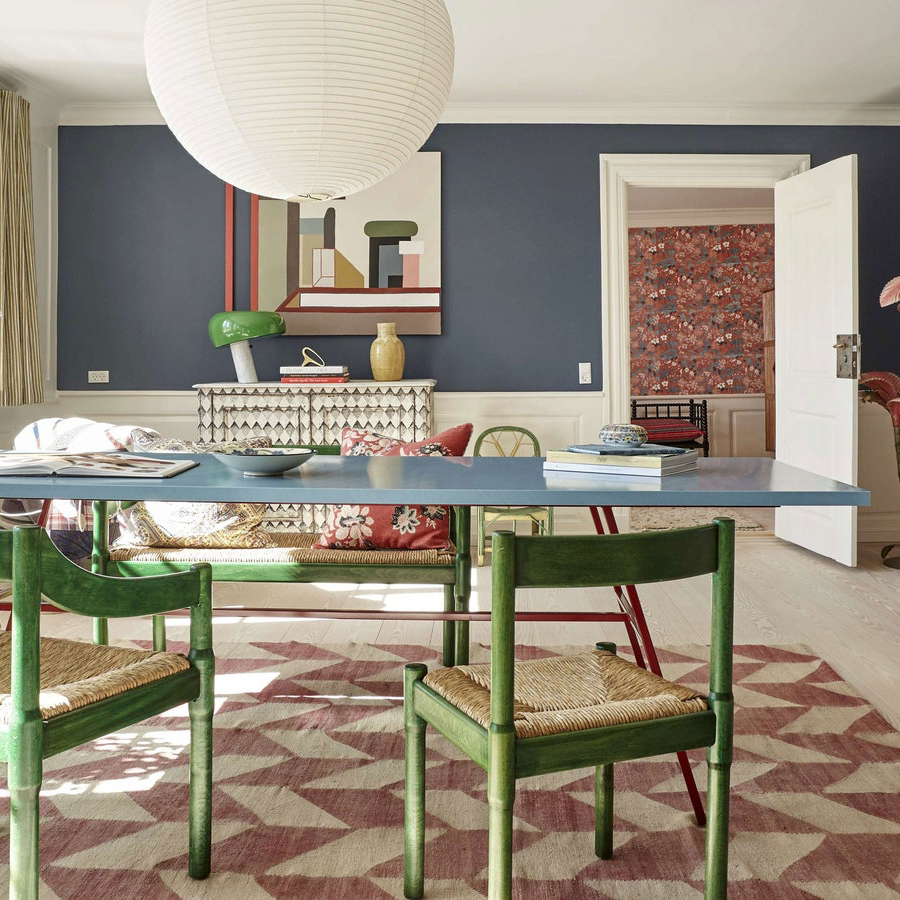
Pendant lights offer a wide range of styles and can be used individually or in multiples to create a unique focal point. Their versatility makes them a popular choice for entryways of all sizes.
Single Statement Pendants: Bold and Focused
A single, oversized pendant light can draw the eye and create a strong visual anchor. These can range from sculptural pieces to industrial-inspired designs. The key is to select a pendant that is substantial enough to hold its own in the space without dominating it.
Multi-Light Pendants: Dynamic and Layered
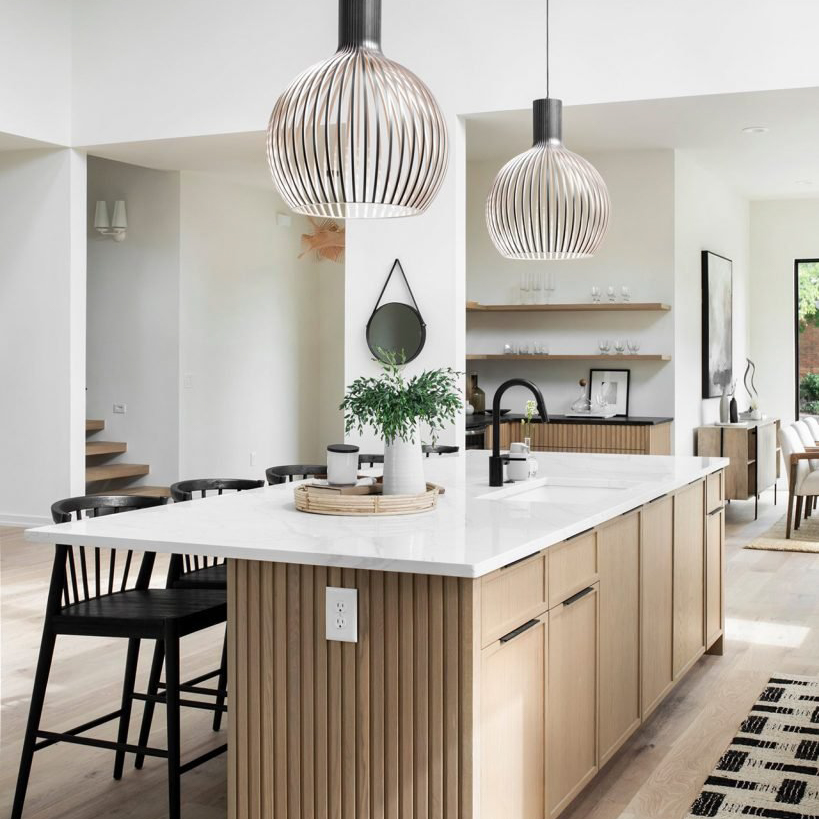
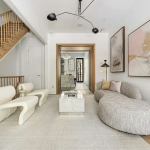
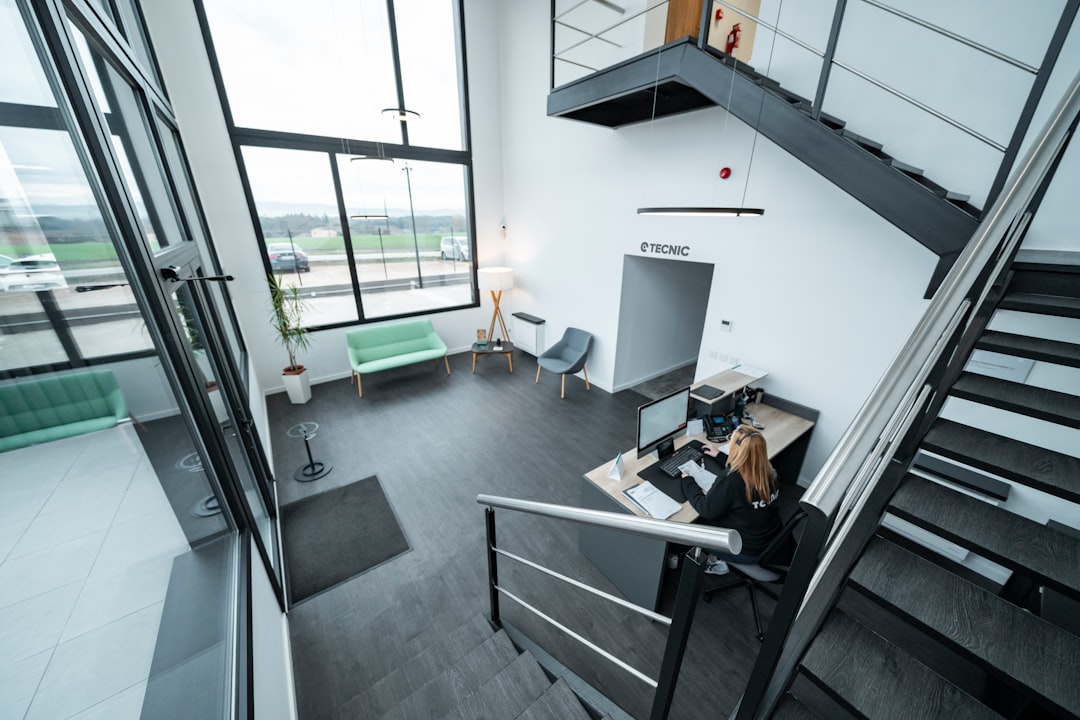
Grouping several pendant lights at varying heights can create a dynamic and visually interesting display. This approach can add depth and texture to the entryway. Consider pendants with different but complementary designs or those with a unified design in a cluster.
The Functional Art of the Lamp-Style Pendant
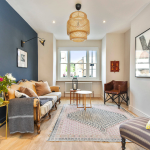
Some pendants are designed to mimic the look of traditional table or floor lamps. These can introduce a more familiar, comfortable element to the entryway, while still offering a decorative appeal. They often feature shades that diffuse light, creating a warm and inviting ambiance.
Flush Mount and Semi-Flush Mount Fixtures: Space-Saving Elegance
For entryways with lower ceilings or where a hanging fixture might be obstructive, flush mount and semi-flush mount fixtures offer practical yet stylish solutions.
Discreet Dramaticism: The Flush Mount Advantage
Flush mount fixtures sit directly against the ceiling, presenting a clean and unobtrusive profile. Modern flush mounts can be surprisingly impactful, incorporating interesting materials, geometric shapes, or subtle decorative elements. They provide ample light without occupying vertical space.
Adding a Touch of Drama: Semi-Flush Mounts
Semi-flush mount fixtures hang slightly below the ceiling, creating a small gap that allows light to escape upwards and bounce off the ceiling, providing a softer, more diffused illumination. This small extension can add a touch of elegance and visual interest, making them a step up from basic flush mounts.
Wall Sconces: Layered Illumination and Accent
Wall sconces are an excellent way to add layered lighting to an entryway, complementing a central fixture or serving as the primary light source in smaller spaces.
Ambient Glow: Soft and Welcoming Light
Sconces are ideal for casting a soft, ambient glow that enhances the overall welcoming feel of the entryway. They can be positioned at various heights to create different visual effects and guide the eye.
Architectural Accents: Highlighting Features
Strategically placed wall sconces can highlight architectural details, artwork, or even the texture of a wall. This adds another dimension to the entryway’s design, making it more engaging and visually rich.
Beyond Simple Bulbs: Decorative Sconce Designs
Modern wall sconces are available in an array of designs, from minimalist bars of light to more decorative fixtures with intricate metalwork or glass elements. They can act as decorative accents in their own right, contributing to the artistic composition of the entryway.
Key Considerations for Statement Lighting Selection
Material and Durability: Withstanding the Entrance
Entryways are high-traffic areas. Therefore, the materials used in your statement lighting should be durable and easy to maintain. Metals like brass, iron, and steel are generally robust. Glass needs to be tempered or reinforced for safety. Consider how easily surfaces can be cleaned from dust and fingerprints.
Bulb Type and Light Quality: Illuminating in the Right Way
The type of bulb chosen for your statement fixture has a significant impact on the quality of light.
Warm vs. Cool Light: Setting the Mood
Warm white light (around 2700K-3000K) creates a cozy and inviting atmosphere, ideal for a home’s entrance. Cool white light (4000K and above) can feel stark and is generally better suited for task lighting. LED bulbs offer excellent energy efficiency and a wide range of color temperatures.
Dimmability: Control Over Ambiance
The ability to dim your statement lighting is a valuable feature. It allows you to adjust the brightness to suit different times of day, occasions, or desired moods. For example, a brighter setting might be useful for welcoming guests, while a dimmer setting can create a more intimate evening ambiance.
Energy Efficiency: A Practical Advantage
With increasing awareness of environmental impact and rising energy costs, choosing energy-efficient lighting is a practical consideration. LED bulbs are significantly more energy-efficient than incandescent or halogen bulbs, offering a longer lifespan and reducing electricity consumption.
Maintenance and Cleaning: Keeping it Looking Fresh
The accessibility of the fixture for cleaning is an important factor, especially in a space that can accumulate dust. Consider how easily you can reach the fixture to dust its components or replace bulbs. Some designs may require specialized cleaning products or techniques.
Electrical Requirements and Installation: Professional Input
The installation of statement lighting, particularly larger or more complex fixtures, may require professional electrical work. It’s important to ensure that your home’s electrical system can support the chosen fixture and that installation is carried out safely and correctly. Consulting an electrician before purchasing a fixture can prevent potential issues.
Integrating Statement Lighting into Your Entryway Design
The Focal Point Principle: Letting the Light Shine
In many entryway designs, the statement light fixture itself serves as the primary focal point. This means other decorative elements should complement, rather than compete with, the lighting. A well-chosen lamp or piece of art should enhance the lighting, not detract from its impact.
Balancing with Other Elements: Scale and Harmony
While the lighting is a statement, it shouldn’t exist in isolation. The scale of the fixture needs to be balanced with the size of the entryway, the furniture, and any other decorative pieces. A minimalist console table might be paired with a more ornate chandelier, for instance, creating a pleasing contrast.
The Influence of Color Palettes: Complementing and Contrasting
The color palette of your entryway can be influenced by or designed to complement your chosen lighting. Warm metallic finishes can enhance warm wood tones, while cool metallic finishes can provide a sophisticated contrast to neutral palettes. The color of the light emitted can also affect the perception of wall colors and furnishings.
Creating Depth and Dimension: Light as an Architectural Tool
Beyond simple illumination, light can be used to create depth and dimension within the entryway. Up-lighting from sconces can highlight the ceiling, drawing the eye upwards. Carefully positioned lighting can also be used to create shadows, adding visual interest and a sense of drama to the space.
The Role of Dimmer Switches: Versatility in Illumination
As mentioned previously, incorporating dimmer switches is a highly effective way to enhance the versatility of your statement lighting. This simple addition allows for a significant shift in ambiance, transforming the entryway from a brightly lit welcome space to a more intimate setting for evening gatherings.
Conclusion
The entryway is more than just a passage; it’s an opportunity to make a lasting impression. Statement lighting, when thoughtfully selected and integrated, transforms this functional space into a showcase of style and personality. By considering the intended mood, the home’s existing aesthetic, and the practical aspects of scale, material, and bulb type, homeowners can select a fixture that not only illuminates but also elevates their entryway from a mere entrance to a welcoming work of art. The right statement light fixture is an investment in the overall appeal and ambiance of the entire home, setting the tone from the very first step inside.