




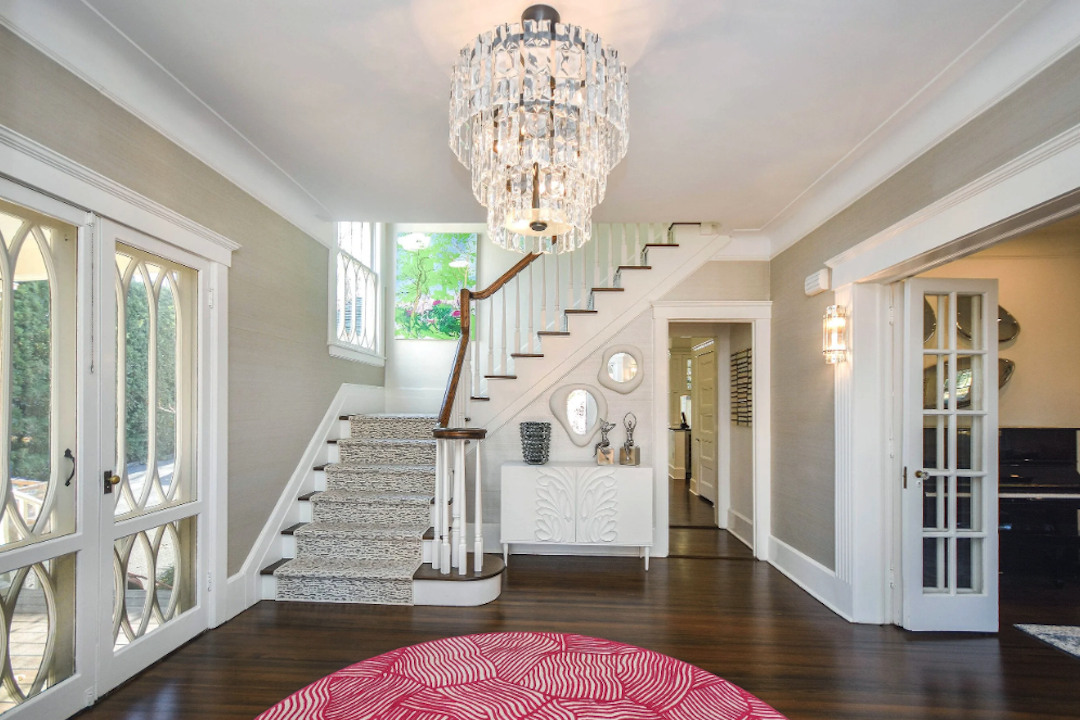
The entryway chandelier serves as the overture to a home’s interior design. It is the first impression, setting the tone for the aesthetic that follows. While trends in home decor shift like sand dunes, certain design elements possess a remarkable durability, a quality that can be described as timeless. This article will explore the enduring appeal of classic entryway chandeliers, examining their design principles, materials, and the impact they have on a home’s ambiance.
Classic entryway chandeliers Lamolighting are distinguished by their adherence to established design principles that have transcended fleeting fads. These fixtures often draw inspiration from historical periods, incorporating elements of traditional craftsmanship and balanced proportions. Unlike contemporary designs that might prioritize novelty or minimalist starkness, classic chandeliers tend to feature intricate details and a sense of established grandeur.
Historical Influences
The lineage of the classic chandelier can be traced through centuries of architectural and decorative history. Understanding these influences provides context for their enduring appeal.
Baroque and Rococo Eras
The Baroque (roughly 1600-1750) and Rococo (roughly 1730-1760) periods were particularly instrumental in the development of dramatic and ornate lighting.
- Baroque: Characterized by opulence, grandeur, and a sense of movement, Baroque chandeliers often featured multiple tiers, elaborate scrollwork, and crystal elements designed to capture and reflect candlelight. They were intended to impress, to showcase wealth and power, and their scale matched the palatial residences of the time. Think of them as the overtures of their era, grand and impactful.
- Rococo: Evolving from the Baroque, the Rococo style introduced a lighter, more whimsical, and often asymmetrical aesthetic. Chandeliers from this period might incorporate delicate floral motifs, shell-like curves, and pastel colors. While still elaborate, the Rococo chandelier offered a more intimate and graceful presence, a gentle counterpoint to the heavier Baroque.
Neoclassical Period
Emerging in the mid-18th century, Neoclassicism represented a deliberate return to the forms and motifs of ancient Greece and Rome.
- Influence of Antiquity: Neoclassical chandeliers often featured clean lines, geometric shapes such as urns and columns, and motifs like laurel wreaths and acanthus leaves. Materials such as brass and bronze were common, often polished to a high sheen. These fixtures conveyed a sense of order, reason, and refined taste, a deliberate departure from the exuberance of the Rococo. The symmetry and balance of these designs contribute to their lasting appeal.
Victorian Era
The Victorian era (1837-1901) saw a surge in production and innovation in lighting. While Victorian chandeliers could encompass a wide range of styles, many drew upon historical precedents.
- Revival Styles: Victorian designers frequently revisited Baroque, Rococo, and Neoclassical forms, reinterpreting them with new materials and manufacturing techniques. This era saw the increased use of cast iron and, later, electricity, which allowed for more complex structures and brighter illumination. The gasolier, which adapted gas lighting to chandelier form, was a significant technological advancement. The sheer volume of production meant that Victorian-inspired chandeliers became widely accessible, solidifying their presence in many homes.
Core Design Principles
Regardless of their specific historical inspiration, classic entryway chandeliers share fundamental design principles that contribute to their enduring nature.
- Symmetry and Balance: A hallmark of classic design is its emphasis on symmetry and visual balance. These chandeliers are typically designed with an even distribution of weight and ornamentation, creating a harmonious and pleasing appearance. This mathematical precision contributes to their sense of order and stability.
- Proportion and Scale: Appropriately scaled to the entryway, a classic chandelier complements the space without overwhelming it. The height of the ceiling, the width of the entry, and the overall room dimensions are critical considerations. A chandelier that is too large can feel imposing, while one that is too small can appear insignificant.
- Quality Materials: The enduring appeal of classic chandeliers is often linked to the use of high-quality materials. These might include:
- Brass and Bronze: These metals, often polished or patinated, offer durability and a rich aesthetic. Their ability to hold intricate detailing makes them ideal for classic designs.
- Crystal and Glass: Cut crystal, hand-blown glass, and other fine glass elements are frequently used. These components are chosen for their ability to refract light, creating a dazzling and sophisticated display. The clarity and craftsmanship of the glass are paramount.
- Iron: While sometimes associated with more rustic styles, wrought iron can also be incorporated into elegant classic designs, particularly in styles that draw from Gothic or more restrained Baroque influences.
Materials and Craftsmanship
The longevity and perceived value of classic entryway chandeliers are intrinsically linked to the materials from which they are made and the skill involved in their creation. The tactile and visual qualities of these materials contribute significantly to the overall aesthetic.
Metals: The Foundation of Structure
Metals form the skeletal structure of most chandeliers, providing support and aesthetic appeal. The choice of metal and its finishing significantly influence the chandelier’s character.
- Brass: Known for its warm golden hue, brass is a popular choice for classic chandeliers. It can be polished to a high shine, lacquered to maintain its luster, or allowed to develop a natural patina over time, offering a range of visual effects. Its malleability allows for intricate casting and shaping of decorative elements, from opulent scrolls to more understated finials.
- Bronze: Similar to brass in its workability, bronze often possesses a deeper, richer tone. It can be cast with exceptional detail, making it suitable for replicating elaborate historical designs. Bronze also ages gracefully, developing a complex patina that adds depth and character.
- Iron: While sometimes perceived as more rustic, wrought iron can be the basis for elegant classic chandeliers, particularly those inspired by Renaissance or simpler Baroque forms. Its strength allows for bold designs, and skilled blacksmithing can imbue it with a sophisticated presence. Finishes can range from matte black to more ornate painted or gilded applications.
- Finishing Techniques: The surface treatment of metals is crucial.
- Polishing and Plating: Achieving a mirror-like finish through polishing or plating with materials like nickel or chrome can lend a more contemporary interpretation to classic forms, though true classicism often favors warmer metallic tones.
- Patination: The intentional aging of metal to achieve varied hues and textures is a time-honored technique that adds depth and a sense of history.
- Gilding: Applying gold leaf or other gilding techniques can imbue a chandelier with unparalleled luxury, a characteristic commonly found in Baroque and Rococo inspired pieces.
Glass and Crystal: The Dance of Light
The refractive and reflective properties of glass and crystal are essential to the visual impact of a chandelier. These materials are not merely decorative; they are integral to the chandelier’s function as a light source and a source of ambient beauty.
- Cut Crystal: Historically, chandeliers were adorned with hand-cut crystal prisms and pendants. The facets of the crystal are designed to capture and break light into a spectrum of colors, creating a dazzling display. The quality of the cut, the lead content (for higher sparkle), and the precision of the assembly are all indicators of craftsmanship. A well-cut crystal prism acts like a miniature prism, turning ambient light into a playful dance.
- Hand-Blown Glass: Beyond etched or frosted glass, hand-blown glass offers unique possibilities. Artisans can create intricate shapes, delicate swirls, and subtle color variations. The slight imperfections inherent in hand-blown glass can add a unique charm and artisanal authenticity.
- Murano Glass: Renowned for its vibrant colors and intricate techniques, Murano glass from Italy is a premium material in chandelier making. Its history of artistic innovation ensures exquisite results.
- Etched and Frosted Glass: While perhaps less opulent than cut crystal, etched or frosted glass shades can offer a softer, more diffused light, suitable for certain classic styles where a less dramatic illumination is desired. These can be found in Neoclassical or more subdued Victorian designs.
The Art of Assembly
The intricate assembly of these components is where true craftsmanship shines.
- Hand Assembly: Many high-quality classic chandeliers are still assembled by hand, a meticulous process that ensures each element is perfectly placed. This attention to detail is a hallmark of luxury and longevity.
- Structural Integrity: Beyond aesthetics, the assembly must ensure structural integrity. The weight of materials like crystal requires robust internal frameworks and secure mounting points to prevent damage and ensure safety.
- Wiring and Electrification: Adapting historical designs to modern electrical standards requires careful integration. The wiring must be concealed where possible, and the sockets and bulbs chosen to complement the design without detracting from its classic character.
Impact on Entryway Ambiance
The entryway chandelier is more than just a light fixture; it is a critical element in shaping the overall atmosphere of a home’s entrance. Its presence can transform a functional space into a welcoming and memorable introduction.
Setting the Tone and Style
The chandelier acts as a visual anchor, immediately communicating the home’s interior design philosophy.
- Welcoming Warmth: A generously sized, classically designed chandelier can imbue an entryway with a sense of warmth and hospitality. The diffused light from crystal or glass elements creates a soft glow that invites guests in. Think of it as the first handshake of your home’s aesthetic.
- Indicating Design Direction: A grand Baroque-inspired chandelier suggests a preference for opulence and traditionalism, while a more restrained Neoclassical piece hints at a balanced, ordered aesthetic. This initial impression guides a visitor’s expectations for the rest of the home.
- Creating a Focal Point: Amidst the functional elements of an entryway—a console table, a mirror, perhaps a rug—the chandelier draws the eye upwards. Its visual prominence makes it a natural focal point, even in a space filled with other decorative items.
Enhancing Spatial Perception
The scale, shape, and light of a chandelier can subtly influence how an entryway is perceived.
- Illuminating Space: A well-chosen chandelier provides ample light, making even a small entryway feel more spacious and less confined. The upward throw of light can also accent the ceiling height.
- Defining Zones: In larger entryways or foyers that serve multiple functions, a chandelier can help visually define the main circulation path or a specific seating area.
- Adding Vertical Interest: For entryways with high ceilings, a substantial chandelier adds crucial vertical interest, preventing the space from feeling cavernous or empty. It fills the vertical dimension with elegance.
The Psychological Effect of Light
The quality and distribution of light emanating from a chandelier have a tangible psychological impact.
- Mood Enhancement: The soft, layered light from a classic chandelier can create a sense of calm and sophistication. This is a stark contrast to harsh, utilitarian lighting.
- Perception of Luxury: The sparkle of cut crystal or the warm glow of aged brass can intrinsically communicate a sense of luxury and refinement, elevating the perceived value of the entryway.
- Sense of Arrival: A beautifully lit entryway, anchored by an elegant chandelier, provides a sense of transition and arrival. It signals that one has entered a thoughtfully curated and cared-for space.
Choosing the Right Classic Chandelier
Selecting the ideal classic entryway chandelier involves a careful consideration of several factors to ensure it complements the home’s architecture, interior design, and the specific dimensions of the entryway.
Scale and Proportion: The Golden Ratio of Entryways
The size of the chandelier must be in harmony with the entryway itself. This is not merely about visual appeal but about functional appropriateness.
- Entryway Height: A common guideline for ceiling height is that the bottom of the chandelier should be approximately 7 feet from the floor to avoid head-bumping. For higher ceilings, the chandelier can be larger and hung lower, or a multi-tiered fixture can be employed to fill the vertical space. For ceilings under 8 feet, a more modestly sized or flush-mount fixture might be more suitable.
- Entryway Width and Length: The diameter of the chandelier should generally correspond to the width and length of the entryway. A simple rule of thumb is to add the length and width of the room in feet, and the resulting number can be the approximate diameter of the chandelier in inches. For instance, a 10-foot by 12-foot entryway would suggest a chandelier around 22 inches in diameter. Naturally, this is a guideline, and aesthetic judgment is also crucial.
- Proportion to Furniture: If the entryway includes significant furniture, such as a large console table or sofa, the chandelier should be scaled to be visually balanced with these elements, not dwarfed by them.
Style Concordance: Harmony with Architectural and Interior Design
The chosen chandelier should resonate with the overarching style of the home.
- Architectural Style: A Georgian home might call for a Neoclassical or a more restrained Baroque chandelier, while a Federal-style house would likely benefit from a linear, symmetrically designed fixture.
- Interior Design Theme: Regardless of architectural style, the interior design of the home provides a further layer of guidance. If the interior is traditionally furnished with classic period pieces, a corresponding chandelier is logical. However, even a contemporary home can benefit from a single, well-placed classic chandelier as an antique accent, a deliberate contrast that creates interest.
- Material Consistency: Consider the materials used in other elements of the entryway and the home. If there is a prevalence of dark wood, a brass or bronze chandelier might provide a warm contrast. If polished nickel is a recurring metal accent, a chandelier with similar finishes could create continuity.
Lighting Needs and Functionality
Beyond aesthetics, the chandelier must provide appropriate illumination for the entryway.
- Illumination Level: The number of bulbs and their wattage (or lumens, for LED equivalents) will determine the brightness of the entryway. For a primary or grand entryway, ample light is usually desired to create a welcoming and safe passage.
- Light Quality: The type of bulbs used—warm white, cool white, or dimmable—will affect the mood. Warm white bulbs tend to create a cozier, more inviting atmosphere, which is often preferred in entryways.
- Dimmer Switches: Installing a dimmer switch is highly recommended, regardless of the chandelier’s style. This allows for adjustment of light levels for different occasions and times of day, from bright illumination for welcoming guests to a softer glow for a more intimate ambiance.
Installation and Maintenance Considerations
The longevity and continued visual appeal of a classic entryway chandelier depend on proper installation and regular, appropriate maintenance.
Professional Installation: Safety and Stability
Given the weight and electrical nature of chandeliers, professional installation is often advisable.
- Structural Support: Entryway ceilings, especially in older homes, may not be designed to support the weight of a substantial chandelier. Electricians and installers can assess the ceiling joists and install appropriate bracing or reinforced mounting boxes to ensure the fixture is securely supported. This is non-negotiable for safety.
- Electrical Connections: Incorrect electrical wiring can pose a fire hazard. A qualified electrician will ensure all connections are made safely and in compliance with local building codes. This also includes proper grounding of the fixture.
- Working at Height: Safely installing a chandelier often requires working at height. Professional installers have the necessary equipment, such as stable ladders or scaffolding, and are trained in safe working practices.
Routine Cleaning: Preserving the Sparkle
The intricate details and delicate materials of classic chandeliers require specific cleaning methods to avoid damage.
- Dusting: Regular dusting with a soft, dry microfiber cloth is the first line of defense. This can often be done without removing any components. For intricate areas, a soft brush or a vacuum cleaner with a brush attachment set to low suction can be used.
- Crystal Cleaning: For crystal components, a mild solution of water and a few drops of dish soap or a specialized glass cleaner can be used. Dampen a soft cloth with the solution and gently wipe each crystal. Avoid excessive moisture, and never spray cleaner directly onto the chandelier, as it can seep into electrical components.
- Drying: After cleaning, crystals should be dried thoroughly with a clean, lint-free cloth to prevent water spots. For very elaborate chandeliers, and if the crystals are designed for it, they may be carefully removed, cleaned individually, and then reattached.
- Metal Polishing: If the chandelier is made of unlacquered brass or bronze and a patina is not desired, it can be polished using appropriate metal polishes. Always follow the manufacturer’s recommendations for metal care. Avoid abrasive cleaners that can scratch surfaces.
Bulb Replacement and Electrical Checks
Periodically checking the fixture and replacing bulbs are essential maintenance tasks.
- Bulb Type: Ensure replacement bulbs match the original specifications for wattage and base type to avoid damaging the fixture’s wiring or overloading the circuit. Many classic chandeliers now accommodate LED bulbs, which offer energy efficiency and longevity while maintaining the desired aesthetic.
- Electrical Inspection: It is prudent to have the electrical connections and wiring of the chandelier inspected periodically by an electrician, particularly if the fixture is older or if any signs of wear or damage are noticed. This proactive measure can prevent potential electrical issues.
- Loose Components: Periodically check that all decorative elements and structural components are secure. This is especially important in areas prone to vibrations.
By understanding these aspects of installation and maintenance, you can ensure your classic entryway chandelier remains a beautiful and functional center piece for years to come, continuing to welcome all who enter your home with its enduring elegance. The thoughtful selection and care of such a fixture represent an investment not just in decoration, but in the lasting character and ambiance of your dwelling.