


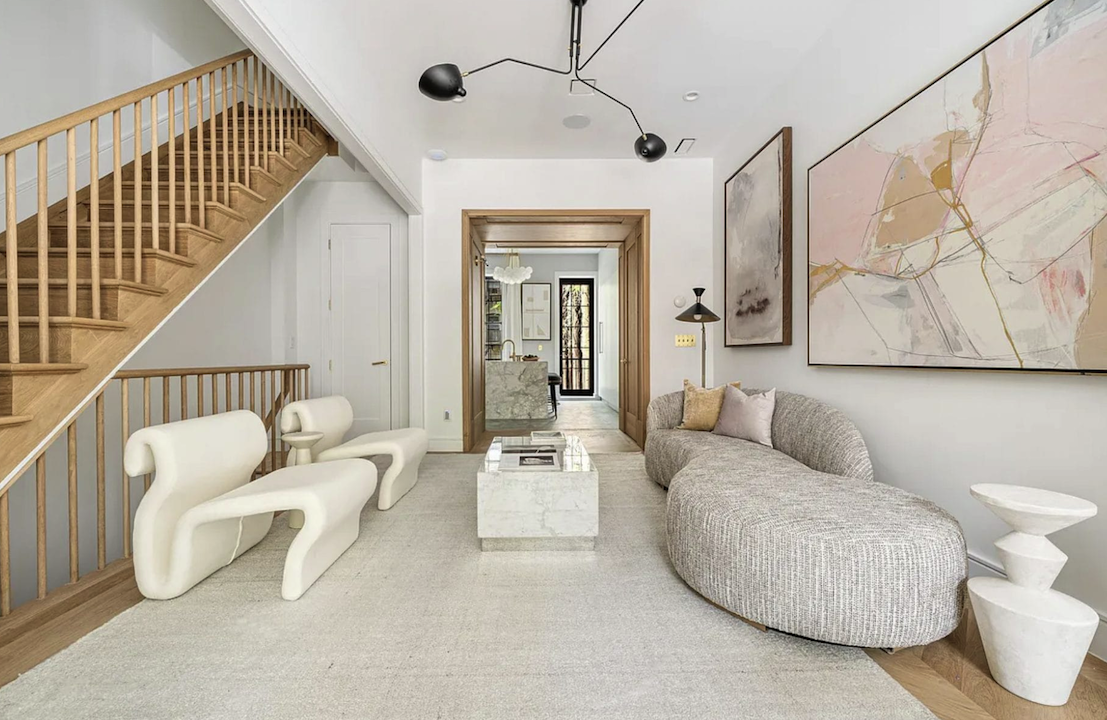
Enhancing Hallway Illumination with Soft Fabric Shade Accent Lighting
Hallways, often relegated to the role of mere conduits within a home, can be transformed into inviting and functional spaces through the strategic application of accent lighting. Among the various lighting solutions, those employing soft fabric shades offer a distinct advantage, providing diffused, ambient illumination that avoids harshness and contributes to a more welcoming atmosphere. This article explores the principles, benefits, and practical considerations of incorporating soft fabric shade accent lights into hallway designs.
Accent lighting, in its broadest sense, is designed to draw attention to specific features or areas. In the context of a hallway, it serves multiple purposes. Beyond mere illumination for navigation, accent lighting Akapearls can enhance architectural details, display artwork, or simply create a mood. The intensity, direction, and quality of light are critical factors in achieving the desired effect. Hallways are often narrow and can feel imposing; accent lighting, when used judiciously, can break up these long expanses and make them feel more proportionate and less like a tunnel. The choice of fixture plays a significant role in the overall aesthetic and the type of light produced.
The Role of Hallways in Home Aesthetics
Hallways are the arteries of a home, connecting different rooms and facilitating movement. While often overlooked, their design and ambiance significantly contribute to the overall impression a home conveys. A well-lit and thoughtfully decorated hallway can set a positive tone from the moment a guest enters. Conversely, a dimly lit or uninviting hallway can create a sense of disconnect. The hallway’s function as a transition space means that its lighting should provide a gentle introduction to the character of the adjacent rooms. Consider the hallway as a prologue to the stories told by the rooms it connects.
Defining Accent Lighting Principles
The core principle of accent lighting is to highlight, not necessarily to provide general illumination. This involves directing light onto specific points of interest, such as a framed photograph, a decorative wall panel, or an architectural niche. The intensity of accent light is typically higher than ambient lighting in a given area, but it should not be so bright as to be jarring. The beam spread and color temperature of the light are also crucial. A narrow beam can effectively spotlight a small object, while a wider spread can wash a larger area with subtle light. Color temperature influences the perceived warmth or coolness of the light, impacting the mood of the space.
Distinguishing Accent from Ambient and Task Lighting
It is important to differentiate accent lighting from ambient and task lighting. Ambient lighting provides overall illumination for a space, ensuring general visibility. Think of it as the broad strokes on a canvas. Task lighting, on the other hand, is focused on a specific activity, such as reading or preparing food. This is the fine detail work. Accent lighting, while contributing to the overall ambiance, is intentionally directed to emphasize particular elements, adding depth and visual interest. In a hallway, a ceiling fixture might provide ambient light, while a sconce next to a mirror could offer task lighting for grooming, and a subtle light directed at a wall hanging would be accent lighting.
The Advantages of Soft Fabric Shade Lighting
Soft fabric shades are a popular choice for accent lighting due to their ability to diffuse light, creating a gentler and more diffused glow. This characteristic is particularly beneficial in hallways, where harsh, direct light can be unflattering and create distracting shadows. The texture and material of the fabric also contribute to the aesthetic, adding a touch of warmth and sophistication. The softened edges of the light cast by fabric shades can make a narrow hallway feel more expansive and less utilitarian.
Light Diffusion and Its Impact
The primary function of a fabric shade is to diffuse light. This process involves scattering light rays in multiple directions, transforming a concentrated beam into a softer, more widespread illumination. Imagine water flowing through a sieve; the fine mesh breaks up the direct stream into gentler droplets. This diffusion effect is crucial for accent lighting in hallways as it prevents the creation of stark highlights and deep shadows. Instead, it bathes the illuminated area in a warm, inviting glow that is easier on the eyes and contributes to a more cohesive visual experience.
Reducing Glare and Eye Strain
Harsh, unshaded light sources can cause glare, which is uncomfortable and can lead to eye strain. This is especially true in reflective surfaces often found in hallways, such as mirrors or glossy paint. Soft fabric shades act as a barrier, absorbing and scattering the raw light before it reaches the eye. This creates a more comfortable visual environment, allowing individuals to move through the hallway without feeling assaulted by bright, direct light. This improved visual comfort is a significant benefit for both residents and guests.
Aesthetic Qualities of Fabric Shades
Beyond their functional lighting properties, fabric shades offer significant aesthetic advantages. The inherent texture of fabric, whether it be linen, cotton, or a silk blend, adds a tactile and visual dimension to the lighting fixture. This can complement various interior design styles, from modern minimalist to more traditional decor. The interplay of light and shadow on the fabric itself can also create subtle patterns and visual interest. The fabric shade can be seen as a jewel box for light, containing and shaping its output with elegance.
Creating a Warm and Inviting Ambiance
The diffused nature of light from fabric shades contributes significantly to a warm and inviting ambiance. This is particularly important in hallways, which serve as the initial impression of a home. Soft, warm light fosters a sense of comfort and welcome, making the transition from the outdoors or a public area into the private sanctuary of the home feel more seamless and pleasant. It encourages a feeling of relaxation rather than a stark, functional transition.
Types of Soft Fabric Shade Accent Lights for Hallways
A variety of fixture types incorporate soft fabric shades, each offering different installation methods and aesthetic possibilities for hallway accent lighting. From wall-mounted sconces to discreet ceiling fixtures, the options allow for tailored integration with existing decor and architectural features. The placement and scale of these fixtures are key to their effectiveness.
Wall Sconces with Fabric Shades
Wall sconces are perhaps the most common and versatile type of fabric shade accent light for hallways. They can be mounted at various heights, allowing for flexibility in directing light. A sconce positioned above a piece of artwork can highlight its details, while a series of sconces along a longer hallway can provide a gentle, rhythmic illumination. The choice of sconce design, from simple drum shades to more elaborate empire styles, can further influence the aesthetic. Consider the visual weight of the sconce in relation to the wall space.
Placement Strategies for Wall Sconces
Strategic placement of wall sconces is crucial for effective accent lighting. Placing them at eye level can draw attention to mid-height features or create a sense of flow. Mounting them higher can wash a portion of the wall with light, making the hallway feel more open. Alternatively, lower placement can emphasize the baseboard or a runner rug. The spacing between sconces should be considered to avoid creating a monotonous rhythm or overly bright patches.
Sconce Styles and Their Impact
The style of the wall sconce itself plays a significant role in the overall aesthetic. A sleek, modern sconce with a cylindrical fabric shade will project a different feel than an ornate, antique-inspired sconce with a pleated shade. The material of the sconce base (e.g., brushed nickel, polished brass, wrought iron) should also complement the surrounding decor. The sconce, in essence, is the frame for the light it emits.
Pendant Lights with Fabric Shades
While less common in narrower hallways due to potential head clearance issues, pendant lights with fabric shades can be effective in wider hallways or at the entrance to a hallway. A well-placed pendant can serve as a focal point, drawing the eye downwards and adding a decorative element. The key is to ensure adequate headroom and to select a pendant size that is proportionate to the width of the hallway. Think of a pendant as a suspended sculpture that also provides light.
Considerations for Hallway Headroom
Headroom is a critical factor when considering pendant lights in hallways. The bottom of the pendant should hang high enough to allow for comfortable passage without the risk of collision. This often means opting for shorter pendants or mounting them higher than in other living spaces. Measure carefully to ensure practicality.
Creating Focal Points with Pendants
In a sufficiently wide hallway, a fabric shade pendant can act as a significant design element. It can define a specific zone, such as an entry area within the hallway, or simply add a touch of elegance. The visual impact of a pendant is often greater than that of a sconce, making it a good choice for making a statement.
Recessed Lighting with Fabric Diffusers
While traditional recessed lighting often features glass or plastic lenses, some specialized fixtures offer fabric diffusers that achieve a similar softening effect. These are installed flush with the ceiling, offering a minimalist appearance. The fabric diffuser in these units can provide a more gentle spread of light than standard recessed downlights, offering a subtle form of accent or ambient lighting integrated into the ceiling. These are like hidden gems of illumination.
Integrating with Ceiling Design
Recessed lighting with fabric diffusers can be seamlessly integrated into a hallway ceiling. Their flush profile ensures they do not protrude, maintaining clean lines. This makes them suitable for hallways where a minimalist aesthetic is desired or where ceiling height is limited.
Achieving Subtle Illumination
The primary benefit of these fixtures is their ability to provide subtle illumination without drawing attention to the fixture itself. The light appears to emanate from the ceiling, creating a soft wash of light that can gently highlight the hallway’s architecture or provide a soft layer of ambient light.
Installation and Practical Considerations
The successful integration of soft fabric shade accent lights into a hallway design involves careful consideration of installation, placement, and maintenance. Understanding these practical aspects will ensure both the functionality and longevity of the lighting solution.
Electrical Wiring and Safety Standards
Proper electrical wiring is paramount for any lighting installation. This involves ensuring circuits are adequately sized, connections are secure, and all work complies with local building codes and safety standards. For accent lighting, especially if adding new fixtures, consulting a qualified electrician is highly recommended. Incorrect wiring can lead to fire hazards or electrical shock. The electrical system is the circulatory system of the home; it needs to be robust and safe.
Consulting Qualified Electricians
For complex installations or when dealing with older wiring systems, professional expertise is indispensable. An electrician can assess the existing electrical capacity, recommend appropriate wiring methods, and ensure all installations meet safety regulations. This professional oversight is an investment in the safety and reliability of your home’s lighting.
Adhering to Building Codes
Building codes exist to protect occupants. Understanding and adhering to these codes ensures that electrical installations are performed to a standard that minimizes risk. This includes requirements for grounding, conduit usage, and junction box installation.
Fixture Placement for Optimal Effect
As discussed in previous sections, strategic placement is key to accent lighting. For fabric shade fixtures, consider the following:
- Height: Ensure a comfortable visual experience and avoid glare.
- Spacing: Create a balanced illumination pattern, avoiding stark contrasts or overly bright areas.
- Alignment: For multiple fixtures, ensure they are aligned with architectural features or each other for a cohesive look.
- Focus: Direct light towards desired features (art, architectural detail) rather than simply illuminating empty wall space.
- Scale: Choose fixtures that are proportionate to the width and length of the hallway. A small hallway does not need large, imposing fixtures.
Bulb Selection and Wattage Recommendations
The type of bulb used in a fabric shade fixture significantly impacts the light quality and energy consumption. LED bulbs are generally recommended due to their energy efficiency, longevity, and wide range of color temperature options.
- Color Temperature: For a warm and inviting ambiance in hallways, aim for bulbs with a color temperature between 2700K and 3000K.
- Brightness (Lumens): The lumen output should be sufficient to highlight the intended area without being overpowering. For accent lighting, lower lumen outputs are often preferred, allowing the fabric shade to further soften the light.
- Dimmability: Consider using dimmable bulbs and fixtures to allow for adjustable light levels, adapting to different times of day or moods.
Choosing the right bulb is like selecting the right pigment for a painting; it dictates the final hue and intensity.
Maintenance and Cleaning of Fabric Shades
Fabric shades can accumulate dust and dirt over time, which can dim their light output and affect their appearance. Regular maintenance is essential to keep them looking their best.
- Dusting: Use a soft brush attachment on a vacuum cleaner or a feather duster to gently remove dust.
- Spot Cleaning: For minor stains, gently blot the affected area with a damp cloth. Always test in an inconspicuous area first.
- Deep Cleaning: For more thorough cleaning, follow the manufacturer’s instructions for the specific fabric. Some shades may be removable and hand-washable, while others may require professional cleaning.
Always ensure the fixture is turned off and cool before cleaning.
Design Integration and Aesthetic Harmony
Integrating soft fabric shade accent lights effectively requires them to complement, rather than compete with, the existing design elements of the hallway. The goal is to create a cohesive and visually pleasing environment.
Complementing Interior Design Styles
The choice of fabric shade and fixture design should align with the overall interior design style of the home.
- Modern/Contemporary: Clean lines, minimalist shapes, and neutral fabric colors (e.g., white, cream, grey) in simple drum or cylinder shades work well.
- Traditional/Classic: Richer fabrics, more elaborate shade shapes (e.g., empire, bell), and metallic finishes in sconces can suit these styles.
- Rustic/Farmhouse: Natural fabrics like linen or burlap, with simpler, more organic shapes, can enhance this aesthetic.
- Bohemian: Textured fabrics, vibrant colors, or unique shade designs can add personality.
The lighting should feel like an extension of the overall design narrative.
The Interplay of Light and Shadow
Accent lighting, even when diffused, creates subtle interplay between light and shadow. This can be used to add depth and dimension to the hallway. The way light falls on textured walls, artwork, or architectural moldings can transform their appearance. Properly placed accent lights can make a flat wall seem more dynamic.
Creating a Welcoming Entryway Experience
The hallway often serves as the initial point of contact with a home. Soft fabric shade accent lighting can contribute to a warm and inviting entryway experience, setting a positive tone for visitors. The gentle illumination can make the transition from the outside world feel more comfortable and personal. It’s the first greeting your home offers.
Balancing Accent Lighting with Ambient Illumination
While accent lighting highlights specific features, it should not be the sole source of illumination in a hallway. A balanced approach involves combining accent lights with ambient lighting to ensure general visibility and comfort. The accent lights then serve to enhance and draw attention within this broader illuminated space. This creates a layered lighting scheme, offering both functionality and visual appeal.
Beyond the Hallway: Expanding the Concept
The principles of using soft fabric shade accent lighting extend beyond the hallway. This approach can be beneficial in other transitional spaces or areas where a softer, more ambient light is desired.
Applying the Concept to Stairwells
Stairwells can often be dark and utilitarian. Similar to hallways, soft fabric shade sconces or small pendants can provide safe and aesthetically pleasing illumination, highlighting steps and banisters. The continuity of lighting design across transition spaces creates an immersive experience.
Enhancing Entry Foyers and Mudrooms
Entry foyers and mudrooms are crucial transition zones. Soft fabric shade lighting can add a touch of elegance to a foyer or provide a more diffused, less harsh light in a mudroom compared to bright, functional overhead fixtures. This softens the utilitarian nature of these spaces.
Creating Cozy Corners in Larger Spaces
Even within larger living areas, small alcoves or nooks can benefit from accent lighting with fabric shades. This can create intimate reading areas or highlight decorative elements, adding warmth and character to the space. It’s about carving out comfortable pockets of light within a larger illumination plan.
The Role of Controllability (Dimmers and Smart Lighting)
The advent of dimmable fixtures and smart lighting systems offers even greater control over the ambiance created by fabric shade accent lights. Dimmers allow users to adjust the intensity of the light, catering to different needs and preferences. Smart lighting systems can enable scheduling, scene setting, and remote control, further enhancing the functionality and versatility of these lighting solutions. This level of control allows the lighting to adapt to the ebb and flow of daily life in the home.
The thoughtful application of soft fabric shade accent lighting can elevate the functionality and aesthetic appeal of hallways, transforming them from neglected passages into integral, welcoming components of a well-designed home.